This post may contain affiliate links. Please read my terms & conditions for more info.
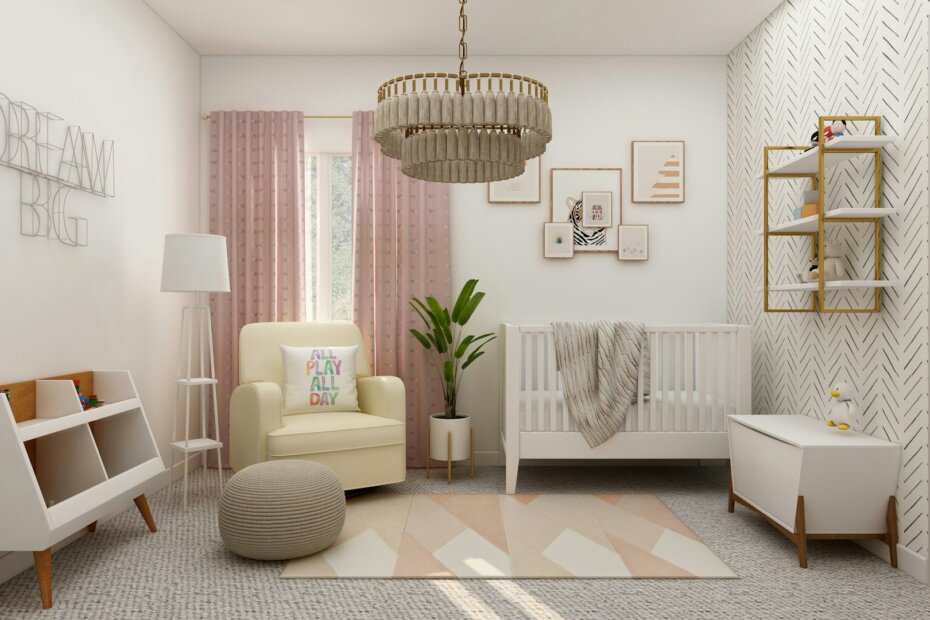
Bringing a new baby home is one of life’s most exciting adventures, and getting their first room ready is a really special part of it. While you’re busy dreaming up paint colours and picking out tiny outfits, it’s also a great chance to think about being eco-friendly. Making a nursery that’s not just lovely and safe, but also good for the planet, is probably easier than you think. It’s all about making smart choices that are good for your little one’s health and the world they’ll grow up in. From the paint on the walls to the toys they’ll eventually play with, you can pick every little thing with care, showing that style and sustainability can totally go together when creating an eco-friendly nursery.
Prioritising Eco-Friendly Materials
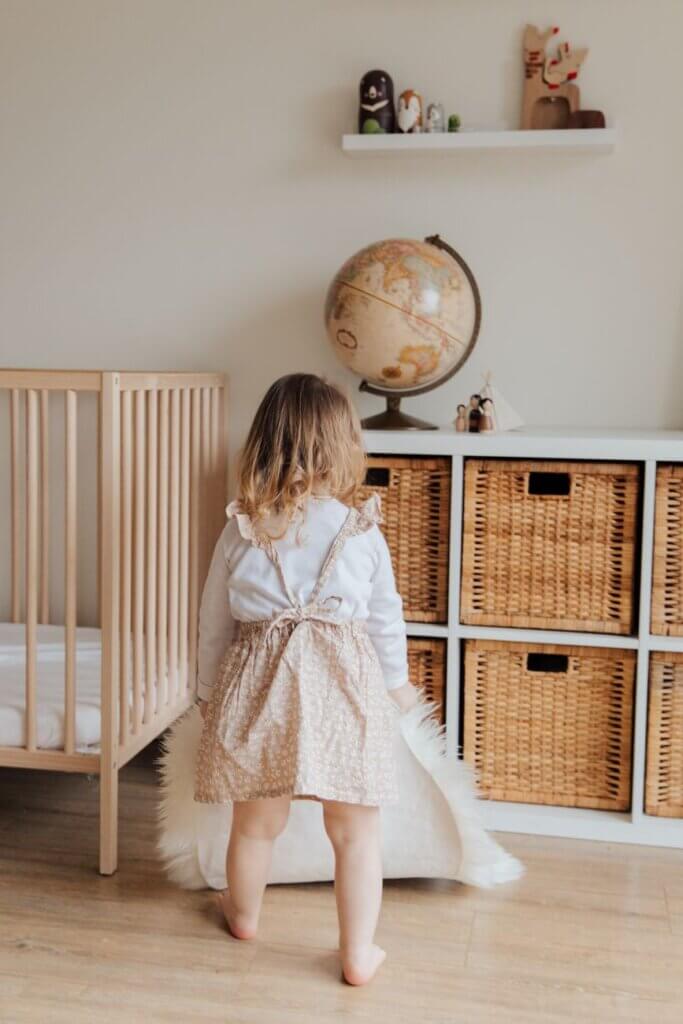
A sustainable nursery really starts with the materials you pick. Going for natural, renewable, and non-toxic stuff is a fantastic first step. When you’re looking for furniture, try to find solid wood pieces with an FSC (Forest Stewardship Council) certification. That means the wood came from forests that are managed responsibly. Bamboo is another great option because it grows fast. For paint, choose brands that have low or zero VOCs (Volatile Organic Compounds). These chemicals can float around in the air and aren’t great for anyone, so a non-toxic paint makes your baby’s room much healthier to breathe in.
For things like bedding, curtains, and rugs, always go for organic and natural fibres. Organic cotton, linen, hemp, and wool are all wonderful choices. They’re grown without nasty pesticides and they let air circulate, which is important for your baby to be comfy. Look for certifications like GOTS (Global Organic Textile Standard) to be sure the whole process, from start to finish, meets strict environmental and social rules. These careful choices fit right in with the green practices in nurseries that aim to give kids a healthier environment from day one.
Designing for Longevity and Reuse
One smart way to make your nursery sustainable is to think long-term. Instead of buying things that will only be used for a few months, look for items that can grow with your child or be used in different ways. A cot that turns into a toddler bed is a perfect example of this idea. You can also use a chest of drawers as a changing station by just adding a secure changing mat on top, and it’ll still be a useful piece of furniture for many years.
When you’re picking out items, go for classic designs and neutral colours for the big stuff like furniture and curtains. You can also add personal touches to your home with smaller decorative pieces that are easy to update as your family’s needs change. You can always add splashes of colour and personality with smaller accessories that are easy to swap out. This idea also works for special items. Instead of a chair that only serves one purpose, choosing a baby rocker for the nursery gives you and your baby a cosy spot that can later become a favourite reading chair in a playroom or bedroom. By investing in good-quality, multi-functional pieces, you’ll buy less in the future and create less waste, making a space that’s both practical and sustainable.
Selecting Safe and Breathable Baby Essentials
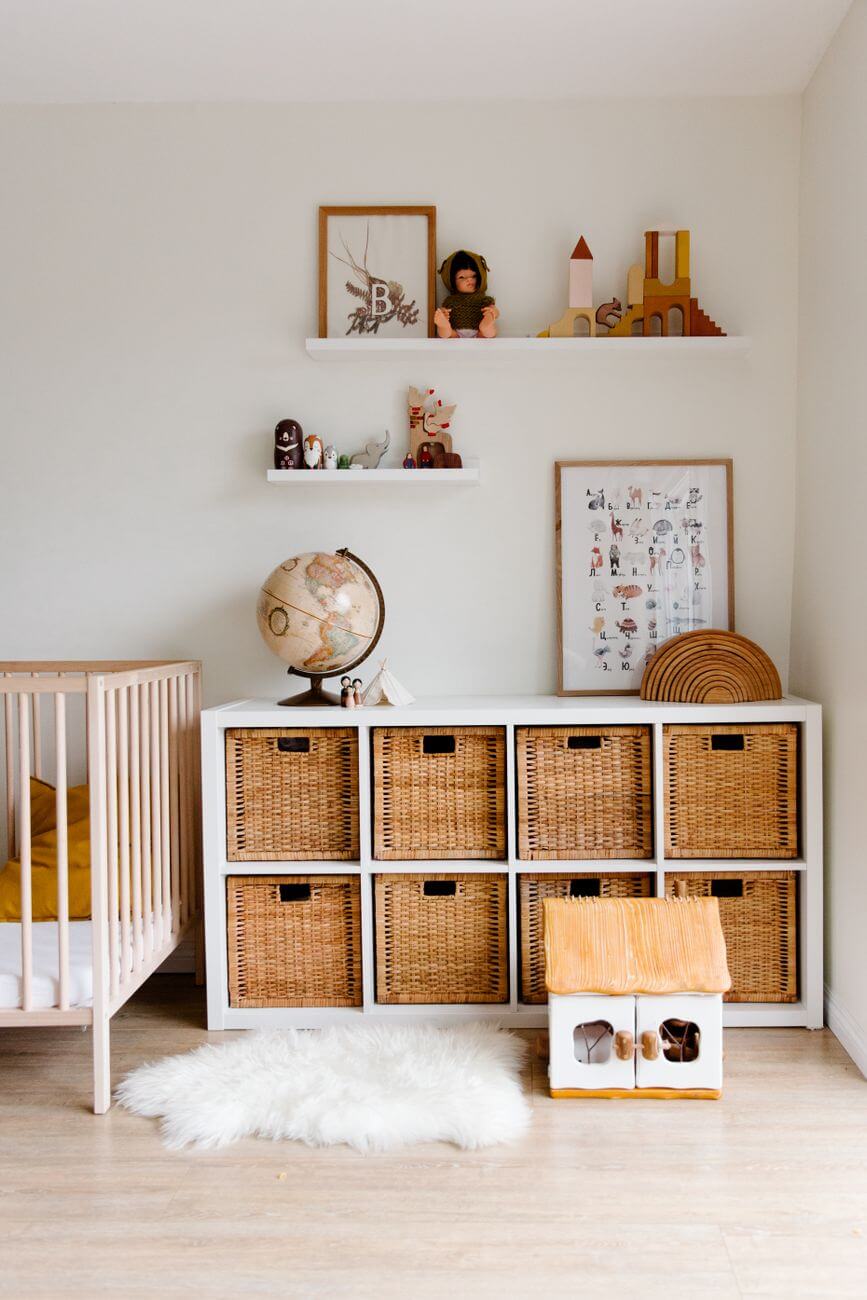
Your baby’s health and safety are important, and that goes hand-in-hand with making eco-friendly choices. Lots of synthetic materials in baby products can have chemicals and often don’t breathe well, which can make your baby too hot. When you’re choosing a mattress, look for one made from natural materials like coconut coir, wool, or natural latex. Make sure it’s firm, fits snugly in the cot without any gaps, and is certified to be free from harmful stuff.
This idea also applies to bedding and sleepwear. Organic cotton or merino wool are excellent choices for sleepsuits and sleeping bags because they naturally breathe and help keep body temperature just right. Try to avoid synthetic fabrics like polyester, which can trap heat and moisture. By choosing natural, breathable materials, you’re creating a safer sleep environment for your baby and also supporting farming and production methods that are better for the planet. It’s a choice that brings comfort to your baby and peace of mind for you.
Reducing Waste with Washable Options
Babies can create a surprising amount of waste, but with a few simple changes, you can really cut down your nursery’s environmental impact. Nappies are a huge contributor to landfill, with disposable ones taking hundreds of years to break down. Modern cloth nappies are a fantastic alternative. They’re easy to use, come in adorable designs, and are much cheaper in the long run. Even using them just part-time can make a big difference.
Beyond nappies, think about other things you can wash and reuse.
- Reusable Wipes: Instead of disposable baby wipes, use soft cloths or flannel squares with a little water. They’re gentler on your baby’s skin and you can just toss them in the wash with your cloth nappies.
- Washable Nursing Pads: If you’re breastfeeding, choose washable bamboo or cotton nursing pads instead of disposable ones.
- Durable Toys: Pick toys made from wood or organic cotton that you can easily wipe down or wash. This helps them last for years and means they can be passed on.
Getting into these habits is a key part of any zero-waste nursery guide, helping you reduce your impact right from the start.
Mindful Consumption for New Parents
The excitement of a new baby can sometimes lead to buying too much stuff. Marketers are really good at making new parents feel like they need every single gadget out there. But, being thoughtful about what you buy is one of the most sustainable things you can do. Before you buy something, ask yourself if you really need it, if you can borrow it, or if you can find it secondhand. Many baby items are only used for such a short time that they stay in great condition.
Create a gift registry that focuses on the basics and let friends and family know you’d be happy to receive secondhand items or contributions towards bigger, sustainable pieces. Join local parenting groups online where people often give away or sell gently used baby gear for a fraction of the price. This not only saves you money and reduces waste but also helps build a sense of community. Embracing a “less is more” approach will help you create a calm, uncluttered, and truly sustainable nursery setting.
Building a sustainable nursery is all about making thoughtful choices. Every eco-friendly decision, no matter how small, helps create a healthier space for your baby and a healthier planet for their future.
Header photo Collov Home Design on Unsplash