
This post may contain affiliate links. Please read my terms & conditions for more info.
In a world where digital screens and urban sprawl increasingly dominate daily life, the simple act of stepping outside can feel almost revolutionary. Yet, growing evidence suggests that exercising outdoors—often referred to as “green therapy”—offers profound and unexpected mental health benefits. This approach, blending physical activity with the restorative power of nature, is gaining traction among mental health professionals and fitness enthusiasts alike. From reducing stress and anxiety to enhancing mood and cognitive function, green therapy is emerging as a vital, accessible tool for improving psychological wellbeing.

Understanding Green Therapy
Green therapy, also known as ecotherapy or nature therapy, harnesses the therapeutic qualities of the natural world to promote both physical and emotional wellbeing. Activities such as hiking, gardening, forest bathing, and even gentle walks in the park are all forms of green therapy. Central to this concept is the idea that spending time in nature reduces stress, improves mood, and fosters a sense of contentment and happiness. The sensory experiences of nature—the sound of birds, the sight of greenery, the feel of a breeze—stimulate positive emotions and help lower cortisol levels, blood pressure, and heart rate, all markers of reduced stress.
The Science Behind Outdoor Exercise and Mental Health
Numerous studies have demonstrated that outdoor exercise offers greater psychological benefits than similar activity performed indoors. Exposure to natural light increases serotonin, a neurotransmitter that regulates mood and is often targeted by antidepressant medications. Sunlight also helps the body produce vitamin D, deficiencies of which are linked to depression and other mood disorders. Additionally, the variety of terrain and sensory stimuli outdoors challenges the body and mind in ways that static, indoor environments cannot, further enhancing the sense of wellbeing.
A pivotal UK study conducted during the COVID-19 lockdown found that increased days spent outdoors were strongly associated with decreases in depressive and anxiety symptoms, as well as higher life satisfaction. These benefits were especially pronounced for individuals who felt satisfied with their local green spaces and walkability, highlighting the importance of accessible and appealing outdoor environments.
Related post: Why We Need to Talk About Anxiety
Key Benefits of Green Therapy
Stress Reduction and Mood Enhancement
Perhaps the most immediate benefit of green therapy is its ability to reduce stress and elevate mood. The combination of physical activity and exposure to nature triggers the release of endorphins and serotonin, both of which are known to boost mood and alleviate symptoms of depression and anxiety. In fact, 83% of participants in a UK National Trust survey reported feeling less stressed after spending time in nature, and 71% experienced a significant mood boost.
Cognitive and Emotional Restoration
Natural environments offer what researchers call “attention restoration.” The ever-changing, softly fascinating qualities of nature—like rustling leaves or flowing water—help the brain recover from cognitive fatigue, improving memory, attention, and creativity. This restorative effect is particularly beneficial for those experiencing burnout or chronic stress, as it supports better decision-making and emotional regulation.
Social Connection and Community
Group-based green therapy activities, such as community gardening or walking groups, not only provide the mental health benefits of nature and exercise but also foster social bonds and reduce feelings of loneliness. These social connections are crucial for mental wellbeing, offering support, a sense of belonging, and opportunities for meaningful interaction.
Physical Health Synergy
While the focus here is on mental health, it is important to note that green therapy also supports physical health. Regular outdoor exercise improves cardiovascular fitness, boosts immune function, and encourages healthier sleep patterns, all of which contribute to better mental health outcomes.

Comparing Indoor and Outdoor Exercise: Mental Health Outcomes
| Benefit | Indoor Exercise | Outdoor (Green) Exercise |
| Mood Improvement | Moderate | Strong |
| Stress Reduction | Moderate | Strong |
| Attention Restoration | Limited | Strong |
| Social Interaction | Variable | Often Enhanced |
| Motivation to Continue | Variable | Higher |
Mechanisms: Why Does Nature Heal?
Two main theories help explain the mental health benefits of green therapy. The first, Stress Reduction Theory, posits that natural environments induce a state of relaxation, lowering stress markers like cortisol and blood pressure. The second, Attention Restoration Theory, suggests that nature provides a break from the constant demands of directed attention, allowing the brain to recover and rejuvenate. Additionally, exposure to sunlight and beneficial microorganisms in soil may further enhance neurochemical processes linked to mood and immunity.
You may also like: 11 Crystals for Better Health and Wellbeing
Practical Applications: Making Green Therapy Work for You
Green therapy is accessible and adaptable, making it suitable for a wide range of individuals and settings. Even brief periods outdoors—five to ten minutes a day—can yield noticeable benefits. Activities can be as simple as a walk in the park, gardening, or joining a local walking or conservation group. For those with limited mobility or access to green spaces, even time spent on a balcony with plants or in a community garden can be beneficial.
Special populations, such as individuals undergoing cancer treatment or those living with chronic mental health conditions, have also reported significant improvements in mood, motivation, and quality of life through structured green therapy interventions. These programmes often combine physical activity with social engagement and reflection, amplifying the therapeutic effects.

Integrating Green Therapy with Other Practices
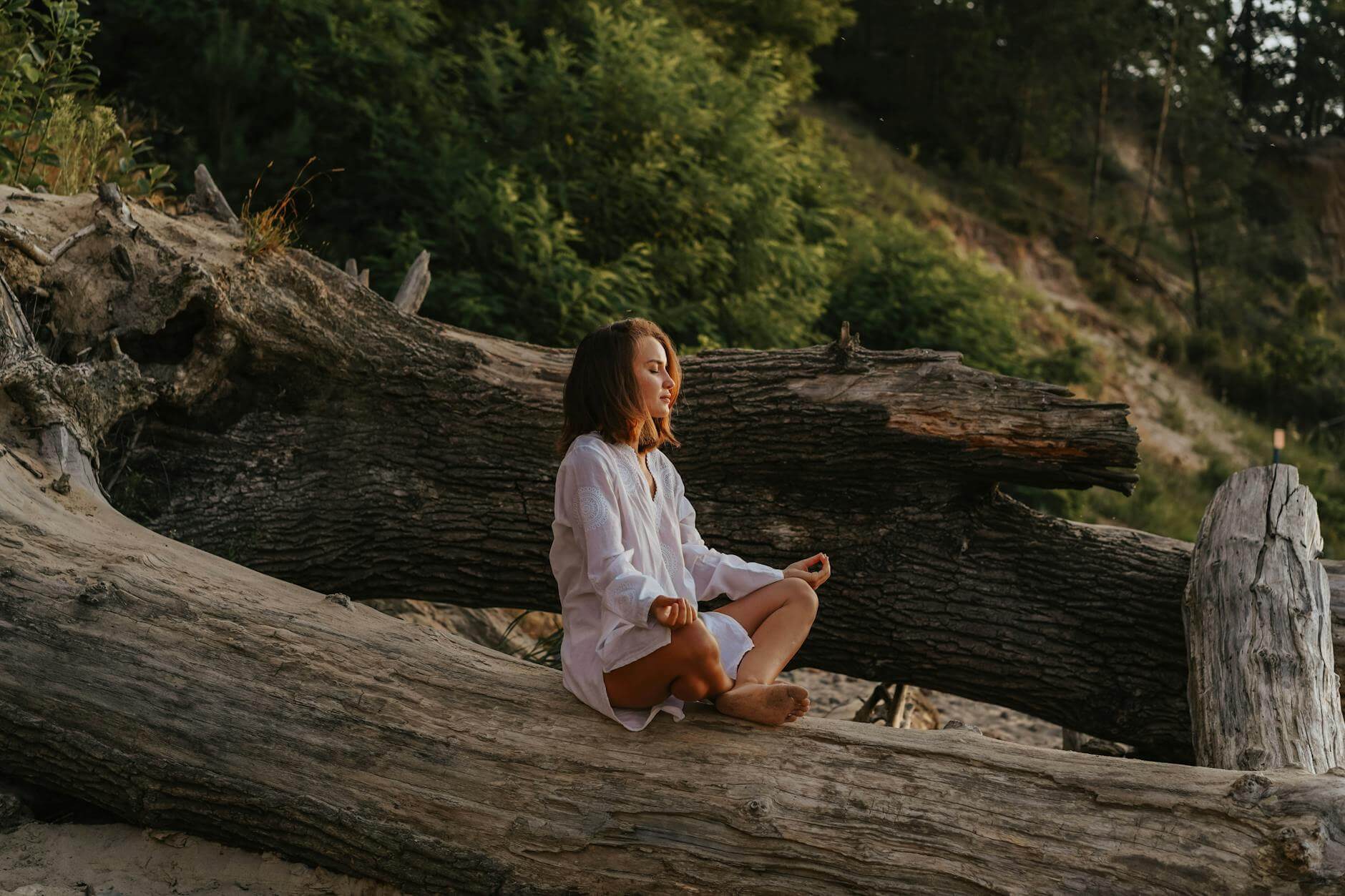
For those with an interest in holistic health, green therapy can be seamlessly integrated with practices such as yoga, which further enhances stress reduction and mindfulness. Combining gentle outdoor yoga with the sensory stimulation of nature can create a powerful synergy for mental health. Similarly, those interested in health content creation can share the benefits of green therapy as part of broader discussions on mental barriers to wellness and effective wellbeing programmes.
Exercising outdoors offers unexpected and powerful mental health benefits that go far beyond those of indoor activity. Green therapy, in its many forms, provides a natural, accessible, and cost-effective means of reducing stress, enhancing mood, restoring cognitive function, and fostering social connection. As urban living and digital distractions continue to rise, making time for outdoor exercise is not just a luxury—it is a vital investment in mental wellbeing. Whether through a brisk walk in the park, a group gardening session, or a solitary moment of reflection in a green space, the healing power of nature is waiting just outside your door.