This post may contain affiliate links. Please read my terms & conditions for more info.
When we talk about living sustainably, our minds usually jump straight to things like recycling, reducing waste, or shopping more mindfully. But there’s another side to sustainability that often gets overlooked, our relationship with money.
Just like caring for the planet, caring for our finances means slowing down, being intentional, and making choices that support our long-term wellbeing. I like to think of it as eco-living for your wallet.
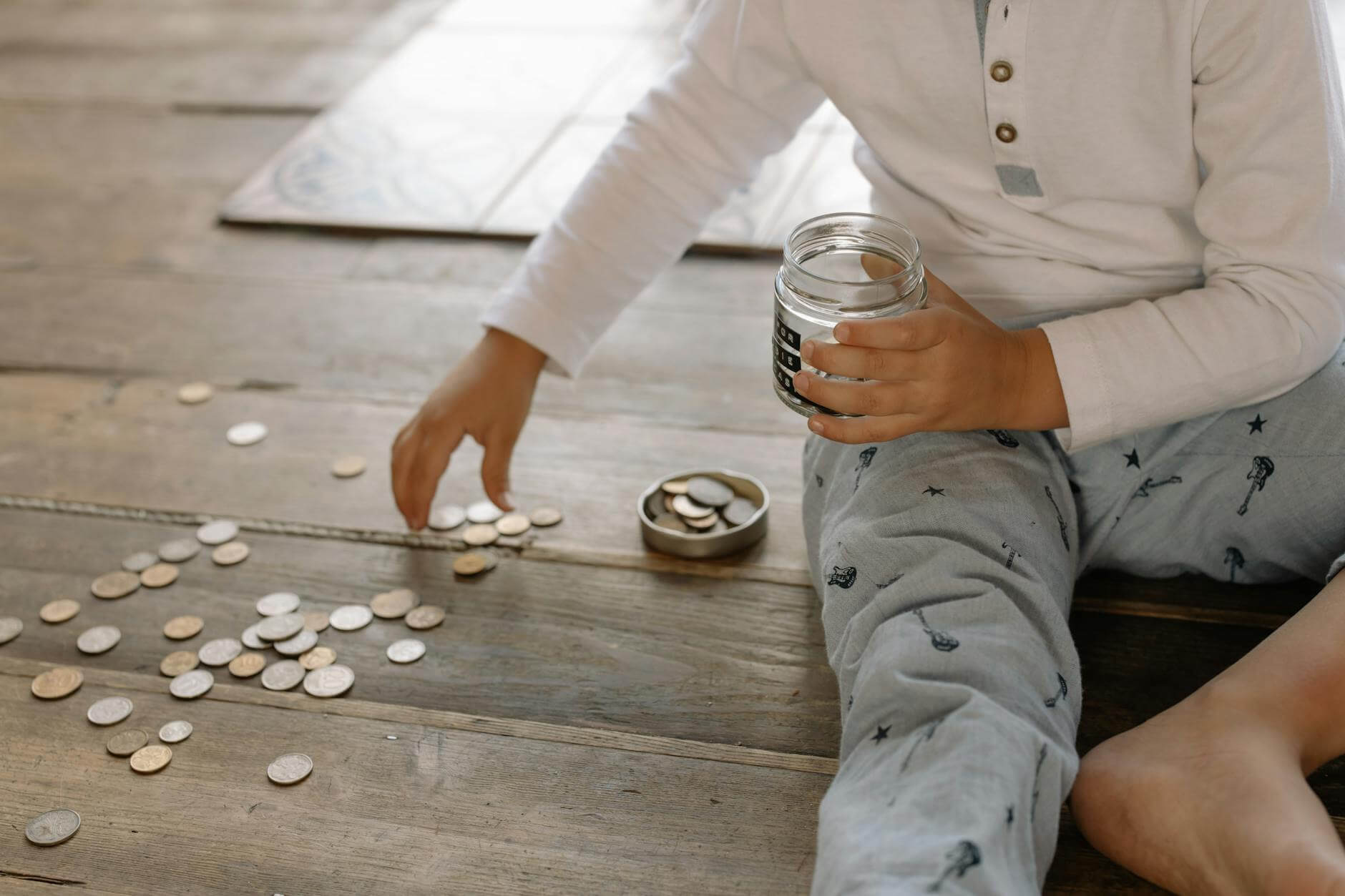
Here are a few simple (and fun) ways you can start building sustainable money habits today.
1. Be Mindful With Everyday Spending
It’s so easy to let the little purchases slip by unnoticed, a takeaway coffee here, a quick online order there. But they add up. One of the best ways to get more mindful is to practise noticing the value of money in everyday situations.
I recently discovered a set of free online money games that make this much easier (and a lot more fun than spreadsheets!). One of my favourites is Cash Back, where you practise giving the correct change. It’s quick, addictive, and great for helping both kids and adults sharpen their money awareness.
2. Choose Sustainable Financial Services
Another way to practise sustainable money habits is by looking at where your money lives. The banks, mortgage providers, and pension companies you choose all use your money behind the scenes, and not all of them do so responsibly. Some traditional financial institutions still fund fossil fuel projects or invest in industries that harm the planet. But the good news is, more and more sustainable alternatives are now available.
By switching to banks, mortgage companies, or pension providers that prioritise ethical investments, such as renewable energy, green housing, or community projects, you’re ensuring that your money is working in line with your values.
This small change can have a big ripple effect: you’re not only protecting your own financial future, but also helping to build a fairer, greener economy.
💡 Tip: Look for providers that are transparent about where they invest, and check if they’re certified by independent bodies like the Good Shopping Guide or Ethical Consumer.
3. Plan Ahead Like a Business
Running a household is a lot like running a small business, you’ve got to balance costs, avoid waste, and make decisions that pay off in the long run. Here are a few simple ways to apply “business thinking” to your personal finances:
Track performance: Businesses review their results; you can do the same by checking in monthly on your spending and savings goals.
Set a household budget: Just like a business has financial plans, keep track of income and expenses so you know exactly where your money is going.
Review subscriptions & contracts regularly: Cancel what you no longer use and switch to better deals, businesses do this all the time to cut waste.
Build an emergency fund: Think of it as your household’s safety net, protecting you against unexpected costs.
Invest in quality, not quantity: In business, cheap short-term solutions often cost more later. The same goes for everyday purchases, choose durable, sustainable items.
The Coffee Shop game is a brilliant reminder of this. You manage stock, set prices, and keep customers happy. It’s playful, but it mirrors real life: if you overspend or don’t plan ahead, you end up losing money. For me, it reinforced that sustainable habits start with thinking long-term, not just day-to-day.
You may also like: Eco Thrifty Living – Save Money, Save the Environment and Live the Life You Want
4. Pass On the Habit of Mindfulness
Sustainable living is always about the bigger picture, what we hand down to the next generation. Helping kids feel confident about money is a big part of that.
The Grocery Cashier game is fantastic for little ones. It makes learning about coins, notes, and simple maths fun, while also teaching them that money is a resource to be valued, not wasted.
5. Make Use of Free Resources
Part of living sustainably is remembering that not everything valuable has to cost money. Things like the money games I’ve mentioned are completely free, making them accessible to everyone. If you’d like a little extra support, here are some free resources that can help build sustainable money habits:
Zero Waste Week Blog – Practical tips for reducing waste and spending less, supporting both your wallet and the planet.
MoneySavingExpert Budget Planner – A free online tool for creating and tracking your household budget.
Money Helper (UK Government Service) – Free advice on saving, budgeting, pensions, and sustainable financial choices.
Ethical Consumer – Research and guides on ethical banks, investments, and money management.
Too Good To Go App – Helps you save money (and food waste) by buying discounted unsold meals locally.
Adopting sustainable money habits doesn’t mean cutting out every joy or becoming overly strict. It’s about balance, learning to value what we have, spend intentionally, and prepare for the future.
Who knows? You might just find yourself hooked, and picking up better habits along the way.