This post may contain affiliate links. Please read my terms & conditions for more info.

*Affiliate links
In the realm of human experience, pain is an unwelcome companion that touches us all at various points in our lives. While modern medicine offers an array of pharmaceutical solutions, there exists a profound connection between nature and alleviating discomfort. Exploring natural ways to ease pain not only delves into ancient wisdom but also embraces the harmony between our bodies and the environment.
By understanding and embracing natural ways to ease pain, we unlock the potential to not only diminish pain but also foster a deeper connection with the world around us. Below are just some of the natural ways to ease pain.
Arnica Cream
The first time I came across Arnica was when I was little and my mother was studying homoeopathy. It was all the range in the 90’s. She used to give me an Arnica pill whenever I hurt myself as it was supposed to reduce bruising and minimise pain. These days you can get Arnica cream which you can rub into anywhere you are experiencing muscle soreness. It’s known as an anti-inflammatory topical.
Arnica (Arnica montana) is a plant in the sunflower family, and is native to North America and Europe. It’s most commonly used for sprains, strains, bruising and muscle pain. Arnica has been used as a folk medicine since the 16th century. It’s also known as leopard’s bane, wolfsbane or mountain tobacco.
In 2006 a study was conducted on people who underwent rhytidectomy (a form of plastic surgery that reduces wrinkles). The study showed that arnica helped to significantly boost healing. A further study produced in 2006 showed that arnica was effective for healing several postoperative conditions., including bruising, swelling and pain.
Turmeric
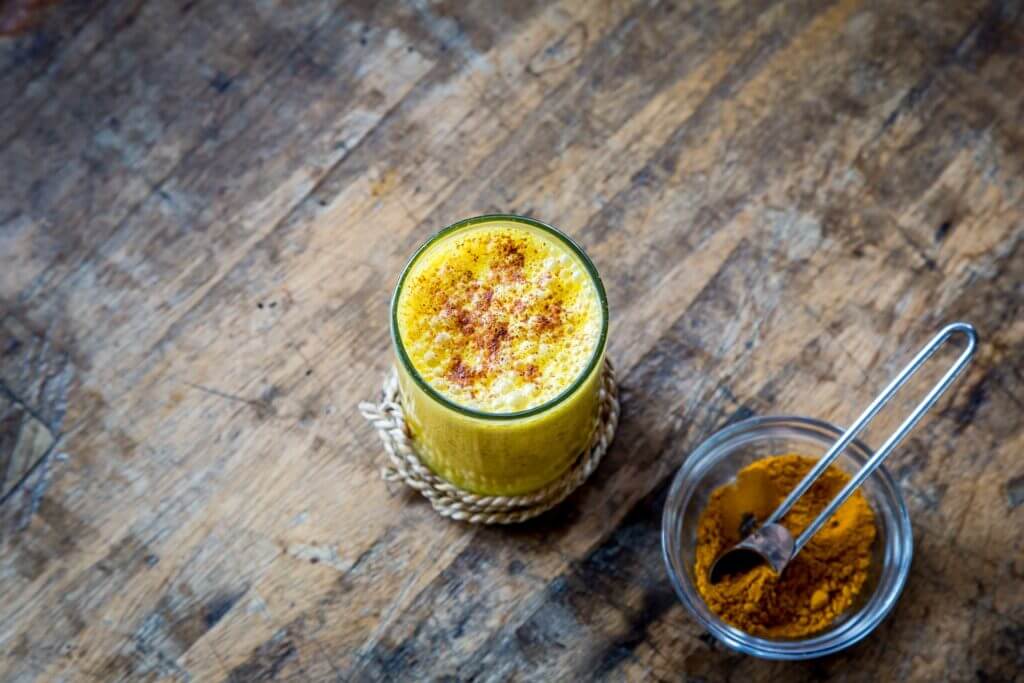
Turmeric is one of my favourite natural ways to ease pain. The majority of pain is caused by inflammation, so if you can reduce the inflammation the pain should subside too. This is where turmeric comes in. The active ingredient in turmeric called curcuma is a natural anti-inflammatory, and has pain-relieving properties.
A study conducted in 2014 showed that curcumin extract was as effective as ibuprofen for reducing pain, and helping with pain management. A further study in 2021 backs up these claims. In fact over recent years, more than five thousand medical literature articles have been published about curcumin and its health benefits.
Turmeric, specifically curcumin, has been shown to potentially play a role in preventing or treating brain disease, lung disease and certain forms of cancer. As well as speeding up recovery after surgery, used as an effective treatment for rheumatoid arthritis and other inflammatory conditions such as lupus and IBS. It’s recommended to get a daily dose of turmeric regardless of whether or not you’re in pain that day. You can do this by adding it to your food, having turmeric lattes, or taking a daily *turmeric supplement.
While turmeric is a popular choice, many people look for a combination of ingredients to manage their symptoms. Other natural options, like omega-3 fatty acids and green tea extract, also work to lower inflammation levels in the body. Using a variety of anti inflammatory supplements is a simple way to create a more complete approach to joint and muscle health. These nutrients often work better when they are part of a consistent daily routine. This method supports long-term mobility and helps keep the body feeling its best.
You may also like: Natural Wonders: 5 Botanical Ingredients for Glowing Skin
CBD
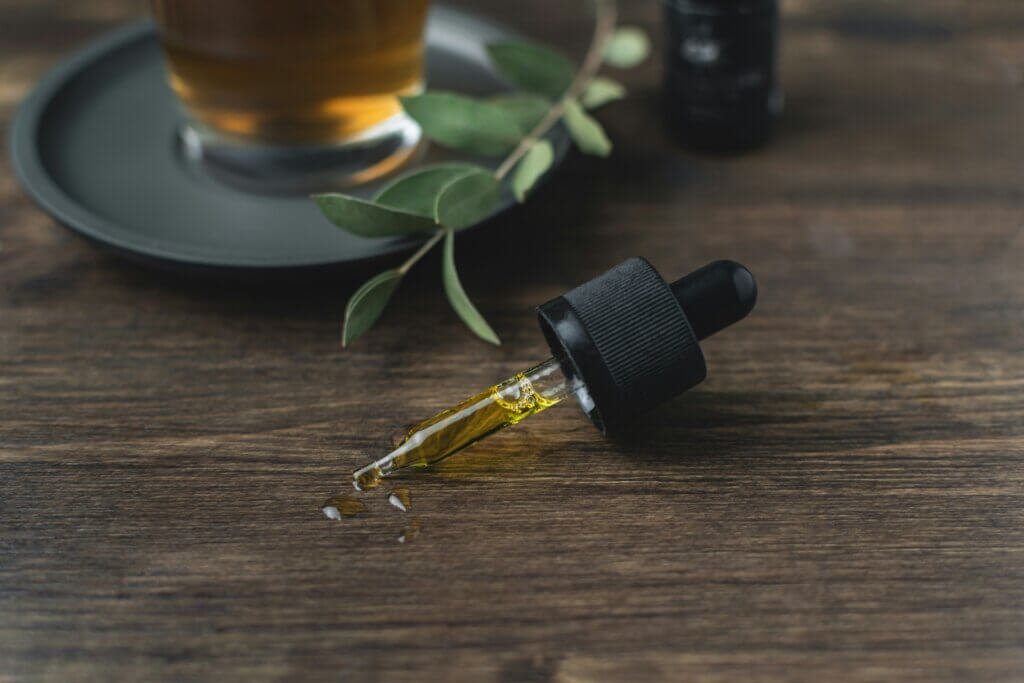
In recent years, CBD (cannabidiol) has become increasingly popular as a natural remedy for pain relief and inflammation. Extracted from the hemp plant, CBD is non-psychoactive, meaning it won’t make you feel “high,” but it does interact with the body’s endocannabinoid system to help regulate pain, mood, and immune response.
One of the most effective ways to use CBD for targeted relief is through topical applications such as CBD Muscle Balm. When applied directly to the skin, the balm is absorbed into the affected area, providing fast-acting relief to sore muscles and inflamed joints without entering the bloodstream.
Many people find CBD balms particularly useful for:
Sports recovery – easing muscle tension after workouts
Chronic pain – soothing conditions like arthritis or lower back pain
Everyday aches – tackling stiffness from sitting at a desk or carrying out physical work
CBD is also valued for its anti-inflammatory properties, which can support the body’s natural healing process. Unlike conventional painkillers, CBD balms offer a plant-based alternative that many find gentler on the body.
If you’re looking for a natural way to relieve discomfort and reduce inflammation, trying a high-quality CBD balm could be a great addition to your self-care routine.
Peppermint oil
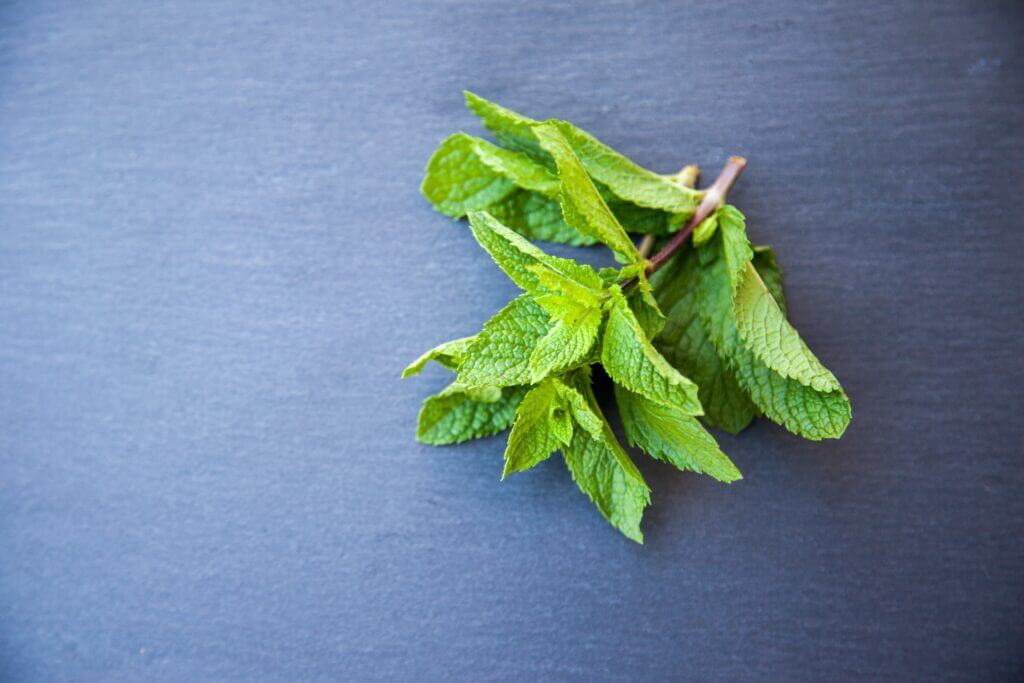
Peppermint oil comes from the peppermint plant (Mentha × piperita). Recent research has suggested that peppermint has antimicrobial, anti-inflammatory and pain-relieving properties. Personally, I use peppermint oil for when I have a headache. It works wonders. The active compounds in peppermint are menthol, limonene and carvacrol.
A study conducted in 2015 showed that people traditionally use peppermint oil to relieve pain associated with arthritis. Another study conducted in 2014 showed that peppermint oil may be effective in helping to reduce postoperative pain. A further study conducted in 2020 suggested that peppermint oil may help to aid sleep.
Yoga
Yoga is an often underutilised tool for pain management. Yoga is a mind-body exercise that can be performed by most people. It’s gentle on the body and encourages you to get into a regular breathing pattern. There are lots of different types of yoga so it’s likely you can find one to suit you and your body.
A study conducted in 2013 showed that yoga may improve lower back pain, and according to Harvard Health Publishing yoga can help with migraine, arthritis, fibromyalgia, lower back pain, and many other conditions. I’d highly recommend investing in an eco-friendly and non-toxic yoga mat.
Meditation
Meditation is another great tool to help with pain management. To get the most out of meditation I’d highly recommend starting a daily practice. If you’re new to meditation you can start small with 10 minutes per day and slowly build up the time. If you can get up to 40 minutes per day you’re doing really well.
A systematic review and meta-analysis published in 2017 reviewed 38 studies on the effectiveness of meditation for pain management. It concluded that it can improve common pain symptoms, as well as depression, and improve quality of life.
Some of my favourite meditations include:
Guided Morning Meditation | 10 Minutes To Start Every Day Perfectly
Niraj Naik – Activating Your Third Eye | How to Open Your Third Eye
Further reading recommendations for you:
- *How Not To Die by Michael Gregher, MD (This is one of my all time favourite books!)
- *The Healing Self by Deepak Chopra & Rudolph E. Tanzi
- *You Are The Placebo by Joe Dispenza
- *The Mindbody Prescription by John E. Sarno, M.D.
- *Super Genes by Deepak Chopra & Rudolph E.Tanzi
About Gina Caro
Gina is a content creator and award-winning blogger. Her aim is to help you live a more sustainable & simple life. Her blog covers zero waste, minimalism, wellbeing & thrift. She currently lives in Cornwall with her partner, two kids and Charles the dog.