This post may contain affiliate links. Please read my terms & conditions for more info.
Although the reality of plastic pollution is not peachy, there’s a glimmer of hope – a growing movement of individuals and institutions dedicated to cleaning up our beaches and protecting our fragile marine environments.
The Rising Tide of Plastic Pollution
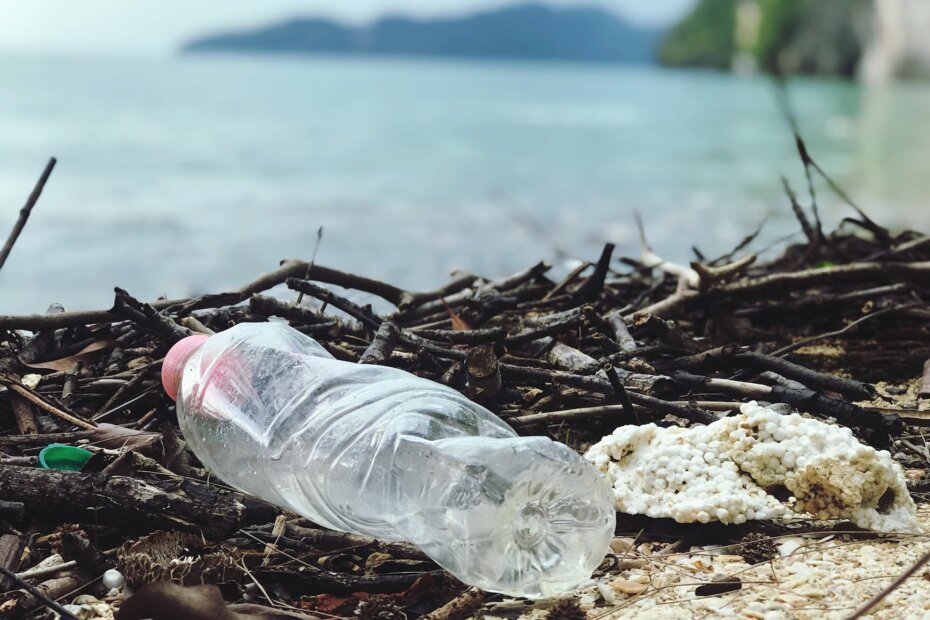
The rising tide of plastic pollution poses an imminent threat to our oceans and coastal ecosystems. With an astonishing eight million tons of plastic entering the ocean annually, according to Ocean Conservancy, the consequences are far-reaching and devastating. If current consumption and disposal patterns persist and we don’t make a collective change into our lifestyle, there could even be more plastic than fish in the ocean.
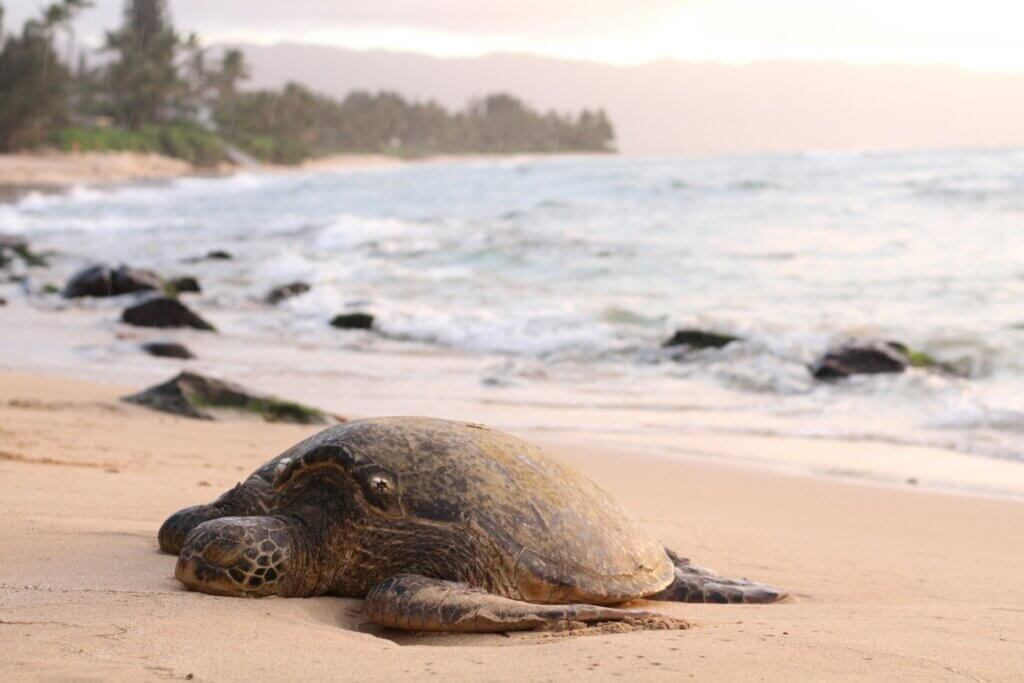
The sources of this plastic deluge are diverse, ranging from everyday single-use items like plastic bottles and packaging to abandoned fishing gear and industrial waste. Coastal communities, once untouched by such environmental challenges, now find their pristine shorelines marred by an influx of plastic debris. The degradation of marine habitats, harm to marine life through ingestion and entanglement, and the contamination of water and soil are all part of the grim consequences of our reliance on single-use plastics.
Microplastics, minute particles resulting from the breakdown of larger plastic items, further exacerbate the issue. These microscopic plastic fragments infiltrate marine ecosystems, posing a threat to aquatic life and eventually finding their way into the food chain, affecting human health. The plastic pollution crisis is not only an environmental concern but also a complex web of interconnected problems that demand urgent attention and collective action.
Joining Forces for Change
Beach clean-up initiatives have emerged as a frontline defence against the plastic onslaught. These initiatives aim not only to rid the beaches of visible plastic debris but also to address the root causes of plastic pollution by raising awareness, advocating for responsible waste management, and promoting sustainable lifestyles.
According to the Ocean Conservancy, the International Coastal Cleanup (ICC), the world’s largest volunteer-based ocean clean-up event, has removed over 350 million pounds of trash from beaches and waterways since its inception in 1986. In 2022 alone, over 188,000 volunteers from 183 countries participated in the ICC, collecting over 6.3 million pounds of trash.
The rising tide of plastic pollution demands a united effort from individuals, communities, and nations to stem the flow of plastic into our oceans and safeguard the delicate balance of marine ecosystems. These events offer a unique opportunity to connect with like-minded individuals, share ideas, and inspire each other to further their commitment to environmental stewardship.
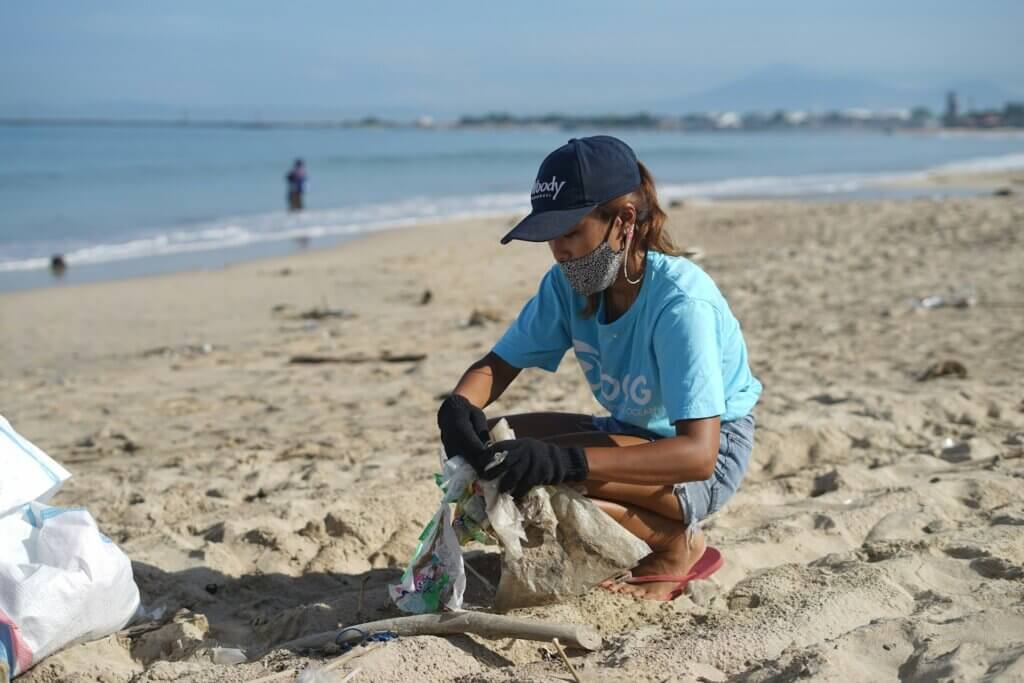
From the sun-kissed shores of Bali to the bustling beaches of Phuket, and from the idyllic coastlines of Goa to the pristine beaches of Antigua, there are countless destinations around the globe where travellers can lend a helping hand in beach clean-up projects. Renowned for its stunning beaches and vibrant culture, Bali offers a multitude of beach clean-up opportunities. The Trash Hero community in Bali regularly host clean-up events, attracting a diverse range of volunteers from around the world.
Phuket’s idyllic beaches, often marred by plastic waste, are a call to action for beach clean-up enthusiasts. The Go Eco Phuket Project, to give an example, provides a platform for travellers to make a positive impact. Antigua’s stunning beaches, renowned for their turquoise waters and white sands, are not immune to plastic waste either. Various volunteering projects are underway, such as The Sagicor Blue Project, encouraging travellers to join the cause.
Planning Your Beach Clean-up Adventure
When choosing a beach clean-up event to join, consider factors such as travel time, personal interests, and environmental impact. Travel agencies such as Opodo UK are an excellent resource for finding and comparing flight and hotel deals, allowing you to plan your trip effectively. You can find the most affordable and eco-conscious options for your beach clean-up adventure, while also checking which destinations offer direct flights to reduce your carbon footprint.
Participating in a beach clean-up is a rewarding experience that can make a real difference for our planet. Before you prepare for your sustainable adventure in another country, you can check out local events near you. Ocean Conservancy offers a Trash Free Seas Map, a comprehensive online map with listings for upcoming beach clean-up events worldwide.
Environmental NGOs and local government initiatives often organise beach clean-up events that welcome volunteers as well. Additionally, online platforms like Meetup, Facebook Events, or local environmental websites are great for finding out about any activities in your area.
Coastal cities in the United States, such as San Francisco and Miami, regularly host beach clean-ups with the help of local environmental groups. In Europe, destinations like Barcelona and Lisbon also have active communities dedicated to coastal clean-ups. In Australia, cities like Sydney and Brisbane frequently organise events to address plastic pollution on their shores.
In the UK, there are plenty of institutions that accept volunteers for their events. Surfers Against Sewage, for instance, is a marine conservation charity that works to protect the marine ecosystems of our oceans and beaches. They frequently launch beach clean-up campaigns throughout the UK, and they also provide resources and support for individuals who want to create their own movement.
If you’re feeling proactive, you can take matters into your own hands and clean up your local beaches or waterways. If you live near a beach, you could walk along the shore, collecting litter or using specialised equipment to remove debris from deeper waters. It’s a great way to show you care about your community and the environment and to raise awareness on this matter.
Beach clean-ups are not just about removing debris from our shores; they are about raising awareness, fostering a sense of community, and inspiring individuals to adopt sustainable practices in their daily lives. By joining these efforts, we can collectively make a significant difference in protecting our planet’s precious marine ecosystems for future generations.