This post may contain affiliate links. Please read my terms & conditions for more info.
For centuries, matcha has been an integral part of Japanese culture, renowned not only for its distinct flavour but also for its numerous health benefits. As matcha gains popularity worldwide, tea enthusiasts are becoming more discerning about the quality and sustainability of their matcha. In this article, we’ll explore the history of matcha, how to prepare it, and how to source premium matcha tea sustainably.
A Brief History of Matcha
Matcha has its origins in China, where powdered green tea was first developed during the Tang Dynasty (7th-10th century). However, it was in Japan that matcha evolved into the ceremonial tea we know today. Introduced by Zen Buddhist monk Eisai in the 12th century, matcha became a fundamental part of Japanese tea ceremonies, associated with mindfulness and tranquillity.
Over time, matcha’s appeal spread beyond its traditional roots, and today, it is enjoyed in various forms—from lattes to desserts. Yet, despite its modern adaptations, the preparation and quality of matcha remain deeply tied to traditional Japanese methods.
How to Prepare Premium Matcha Tea
Making a perfect cup of matcha requires attention to detail. Here’s a simple guide to help you enjoy this vibrant green tea:
- Sift the Matcha – Use a fine sieve to break up any clumps and ensure a smooth texture.
- Measure the Right Amount – Typically, 1-2 grams (about ½ teaspoon) of matcha powder is enough for one serving.
- Add Water – Use hot (but not boiling) water, ideally around 80°C (175°F), to preserve the delicate flavour.
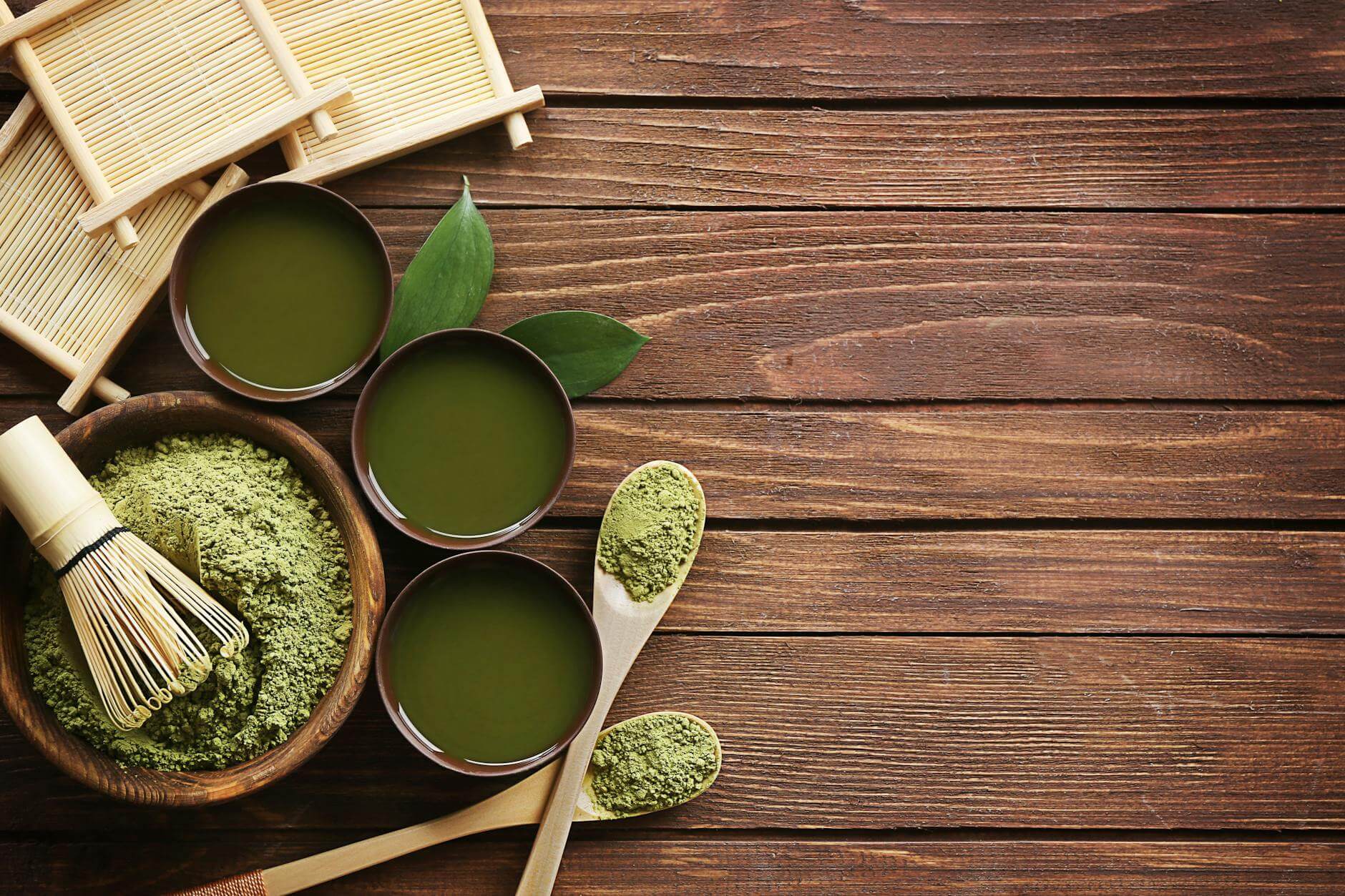
- Whisk Vigorously – Using a bamboo whisk (chasen), whisk the tea in a zigzag motion until a frothy layer forms on top.
- Enjoy Immediately – Matcha is best enjoyed fresh, savouring its umami-rich taste and smooth texture.
Related blog: 21 Rituals to Change your Life
Sustainable Matcha: What to Look For
With the rising demand for matcha, sustainability has become a key concern. Many matcha producers prioritise ethical sourcing, but not all matcha is created equal. Here’s what to consider when choosing sustainable matcha:
- Organic Certification – Look for matcha that is organically grown without pesticides or synthetic fertilisers. This not only benefits the environment but also ensures a purer taste.
- Shade-Grown Methods – Traditional matcha is shade-grown for several weeks before harvest. This enhances the chlorophyll content, resulting in a vibrant green colour and richer flavour.
- Ethical Farming Practices – Supporting small, family-owned farms helps preserve traditional farming methods and ensures fair wages for workers.
- Minimal Packaging – Opt for brands that use recyclable or biodegradable packaging to reduce waste.
The Health Benefits of Matcha
One of the reasons matcha has gained a global following is its impressive health benefits. Rich in antioxidants, particularly catechins, matcha is known for its ability to:
- Boost metabolism and support weight management
- Enhance focus and relaxation due to its L-theanine content
- Provide a steady source of energy without the jitters of coffee
- Support immune health with its high levels of vitamins and minerals
Related blog: Natural Ways to Settle an Upset Stomach
Matcha is more than just a trendy drink; it is a time-honoured tradition that embodies mindfulness, health, and sustainability. By choosing premium matcha tea from ethical and environmentally responsible sources, we can continue to enjoy this remarkable beverage while supporting sustainable tea farming practices. Whether you’re a long-time matcha enthusiast or just beginning your journey, there’s never been a better time to embrace the art of Japanese matcha.