
This post may contain affiliate links. Please read my terms & conditions for more info.
In today’s digital age, electronic devices play an indispensable role in our daily lives. However, with the rapid advancement of technology comes the inevitable disposal of outdated electronics, leading to a growing concern known as electronic waste, or e-waste. E-waste poses significant environmental and health hazards if not managed properly. In this comprehensive guide, we’ll explore the importance of e-waste recycling in sustainable living and provide practical tips for individuals and communities to minimise their electronic footprint.

Understanding E-Waste
Definition and Scope
- E-waste refers to discarded electronic devices such as computers, smartphones, tablets, and televisions
- It encompasses a wide range of materials, including metals, plastics, glass, and hazardous substances like lead, mercury, and cadmium
- The proliferation of electronic devices has led to a dramatic increase in e-waste generation globally
Environmental and Health Impacts
- Improper disposal of e-waste contaminates soil, water, and air with toxic substances, endangering ecosystems and human health
- Incineration of e-waste releases harmful pollutants into the atmosphere, contributing to air pollution and climate change
- Informal recycling practices in developing countries expose workers and communities to hazardous chemicals, leading to adverse health effects
You may also like: 5 Simple Ways to Reduce your Waste Today
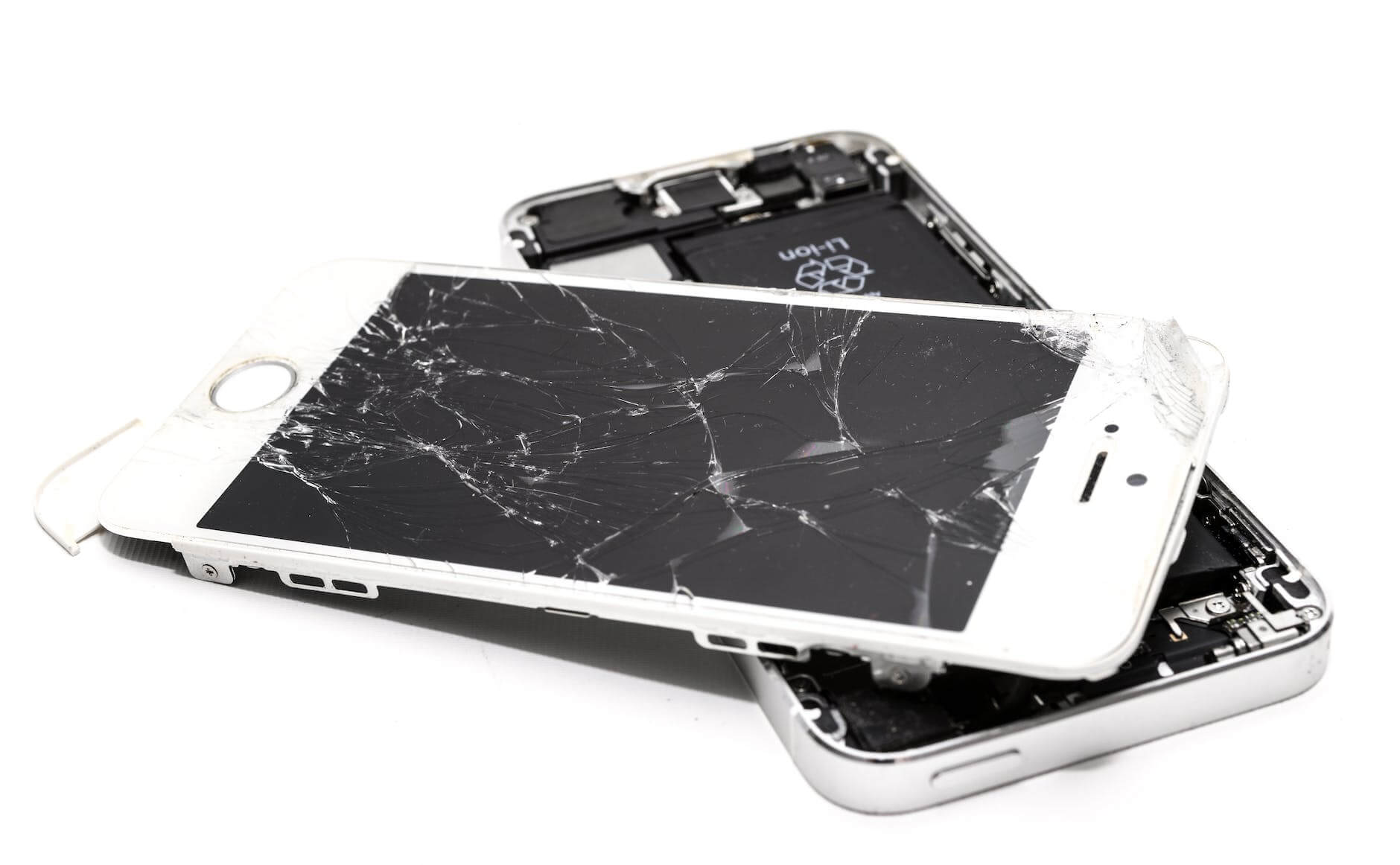
The Role of E-Waste Recycling in Sustainable Living
Resource Conservation
- Recycling e-waste conserves valuable resources such as metals (e.g., gold, silver, copper) and rare earth elements, reducing the need for virgin extraction
- It minimises energy consumption and greenhouse gas emissions associated with the production of new electronics from raw materials
Waste Reduction
- E-waste recycling like computer recycling diverts electronic devices from landfills, where they can leach toxic substances into the environment and occupy valuable space
- By extending the lifespan of electronic components through recycling and refurbishment, we reduce the demand for new products and the associated waste generation
Environmental Protection
- Proper recycling of e-waste prevents the release of hazardous chemicals into the environment, safeguarding ecosystems and biodiversity
- It mitigates the environmental footprint of electronic manufacturing processes, which often involve resource-intensive extraction and production.

Benefits of E-Waste Recycling for Individuals and Communities
Data Security
- Recycling e-waste ensures the secure disposal of sensitive information stored on electronic devices, protecting individuals and businesses from data breaches and identity theft
- Certified e-waste recyclers employ data sanitization techniques to erase or destroy data-bearing devices securely
Job Creation and Economic Opportunities
- The e-waste recycling industry creates jobs in collection, processing, refurbishment, and recycling operations, contributing to local economies.
- It fosters innovation and entrepreneurship in recycling technologies and sustainable business models
Community Engagement and Awareness
- E-waste recycling initiatives provide opportunities for community involvement through collection drives, awareness campaigns, and educational programs. · By engaging citizens in responsible IT asset management practices , communities can foster a culture of environmental stewardship and sustainability
Practical Tips for E-Waste Recycling
1. Know Your Local Recycling Options
- Research local e-waste recycling facilities, drop-off locations, and collection events in your area
- Check with electronics retailers or manufacturers for recycling programs and take-back initiatives
2. Prepare Your E-Waste for Recycling
- Remove batteries, SIM cards, and other accessories from electronic devices before recycling
- Backup and securely erase data from storage devices to protect your privacy
3. Choose Certified E-Waste Recyclers
- Look for recyclers certified to international standards such as e-Stewards or R2 (Responsible Recycling)
- Verify the recycling practices and downstream management of e-waste by the recycler
4. Support Responsible Electronics Consumption
- Opt for durable and repairable electronic products with minimal environmental impact
- Consider purchasing refurbished electronics or extending the lifespan of existing devices through upgrades and maintenance
5. Educate Yourself and Others
- Stay informed about the environmental and social implications of e-waste through reputable sources and advocacy organisations
- Share your knowledge with friends, family, and colleagues to promote responsible e-waste recycling practices
E-waste recycling plays a crucial role in sustainable living by conserving resources, reducing waste, and protecting the environment and public health. As individuals and communities, we have a responsibility to minimise our electronic footprint and embrace responsible e-waste management practices. By recycling our electronic devices properly and advocating for systemic change, we can contribute to a more sustainable future for generations to come. Let’s harness the power of e-waste recycling to build a healthier planet and a more resilient society.

About Georgina Caro
Georgina is a sustainability expert, content creator, and founder behind Gypsy Soul. Committed to simplifying eco living, Georgina holds a PgCert in Architecture: Advanced Environmental & Energy Studies. With a wealth of knowledge, she also boasts 13 years of hands-on experience in the sustainability content creation sector, adding depth and expertise to her mission of promoting a greener and more conscious lifestyle. Additionally, Georgina holds a diploma in Vegetarian and Vegan Nutrition, further underlining her commitment to holistic and eco-conscious living.