This post may contain affiliate links. Please read my terms & conditions for more info.



This post may contain affiliate links. Please read my terms & conditions for more info.
Guest Post by Amanda Prather from RatPoisonFacts.org
Rats are one of the commonest household pests and are capable of causing serious damage. The critters infest residential, industrial, and commercial properties and cause structural damage, even creating fire hazards. They also spread numerous harmful diseases. Rats are serious problems in urban and rural environments.
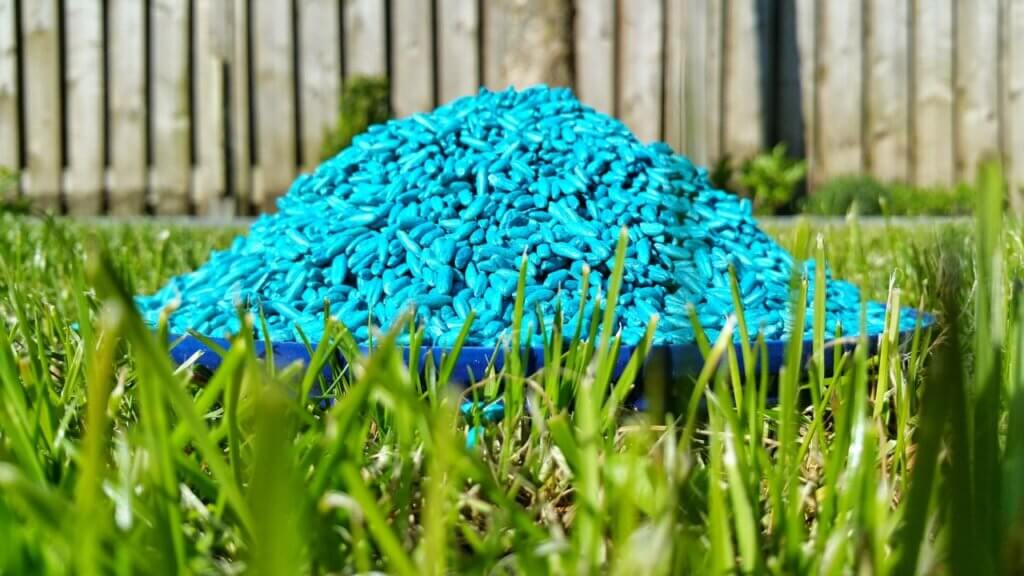
Humans are at war with rats and apply different means in getting rid of the critters. One of these means is poisoning. Poisons that work through different toxic methods are strategically set to kill rats. We consider how rat poisons work and the danger they pose to the ecosystem in this article, and to learn more visit ratpoisonfacts.org.
Rat poisons can be categorized into two major groups: anticoagulant-based poisons and toxic substance-based poisons.
The anticoagulant-based poisons contain anticoagulants like warfarin in high doses. Because they prevent the natural coagulation of blood, a process that helps to keep the physiological balance, anticoagulants cause internal bleeding. So, for this category of poisons, the rats bleed internally after exposure to the poison. The bleeding causes the death of the critters and they suffer until they die.
For the toxic substance-based poisons, they kill the critters within a short period of exposure through toxic processes.
Both categories of rat poisons are considered inhumane because they subject the critters to undue pain before killing them. Apart from being inhumane, rat poisons also have effects on the ecosystem, which we consider below.
Rat poisons are not specific to rats. They cause the same effects they cause in rats in different animals. Even humans will experience similar effects after exposure to rat poisons.
The negative effects of rat poison on the ecosystem comes from the fact that other animals can be exposed to the poisons. It is noteworthy that many poisons do not work immediately to kill the rats. They build up to lethal concentrations over time and are slow acting. Thus, the rat can keep consuming the poison oblivious to its effects. Also, by the time the rat dies, it could have consumed large quantities of the toxic materials.
Scavengers can feed on the carcasses of rats and get poisoned. The high concentration of the poison is transferred to the scavenger, and the scavenger eventually dies. The unintended poisoning of other animals through rat poison has been studied scientifically and considered a negative effect of the use of poison, in addition to the torture rats are subjected to.
Scavengers are not the only possible unintended targets of rats. Kids are a curious bunch. Pets are also quite curious. They can consume rat poisons and suffer from the toxic effects.
Poisoning poses too much danger for it to be considered an effective measure of getting rid of rats. The cons of poisoning outweigh the pros.
Eco-friendly measures like live trapping and lethal trapping can be applied as alternatives to poisoning. Rats can also be excluded using one-way exclusion traps.
With live traps, the critters are caught and relocated to new environments. Lethal trapping involves killing the critters through humane methods that come with little to no pain. With one-way exclusion traps, an outlet for the critters to leave the property is created.
Rat poisoning has negative effects on the environment and should be discouraged and replaced with eco-friendly alternatives.
Header image by Beth Jnr
Gina is a content creator and award-winning blogger. Her aim is to help you live a more sustainable & simple life. Her blog covers zero waste, minimalism, wellbeing & thrift. She currently lives in Cornwall with her partner, two kids and Charles the dog.