This post may contain affiliate links. Please read my terms & conditions for more info.
A mattress looks simple until the label starts talking. Fabric. Padding. Springs. Foam. Then glue, cover fabric, delivery and the old mattress nobody planned for.
The greener choice is not always the one with the nicest wording. It is the one you understand. What is inside it? How long will it stay comfortable? Can the old one be removed without turning the hallway into a storage unit? That is where the real check starts.
Why Green Claims Need a Second Look
Words like natural, eco and planet friendly are everywhere now, but some brands use them properly while others make green claims that need checking before you trust the mood of the product page.
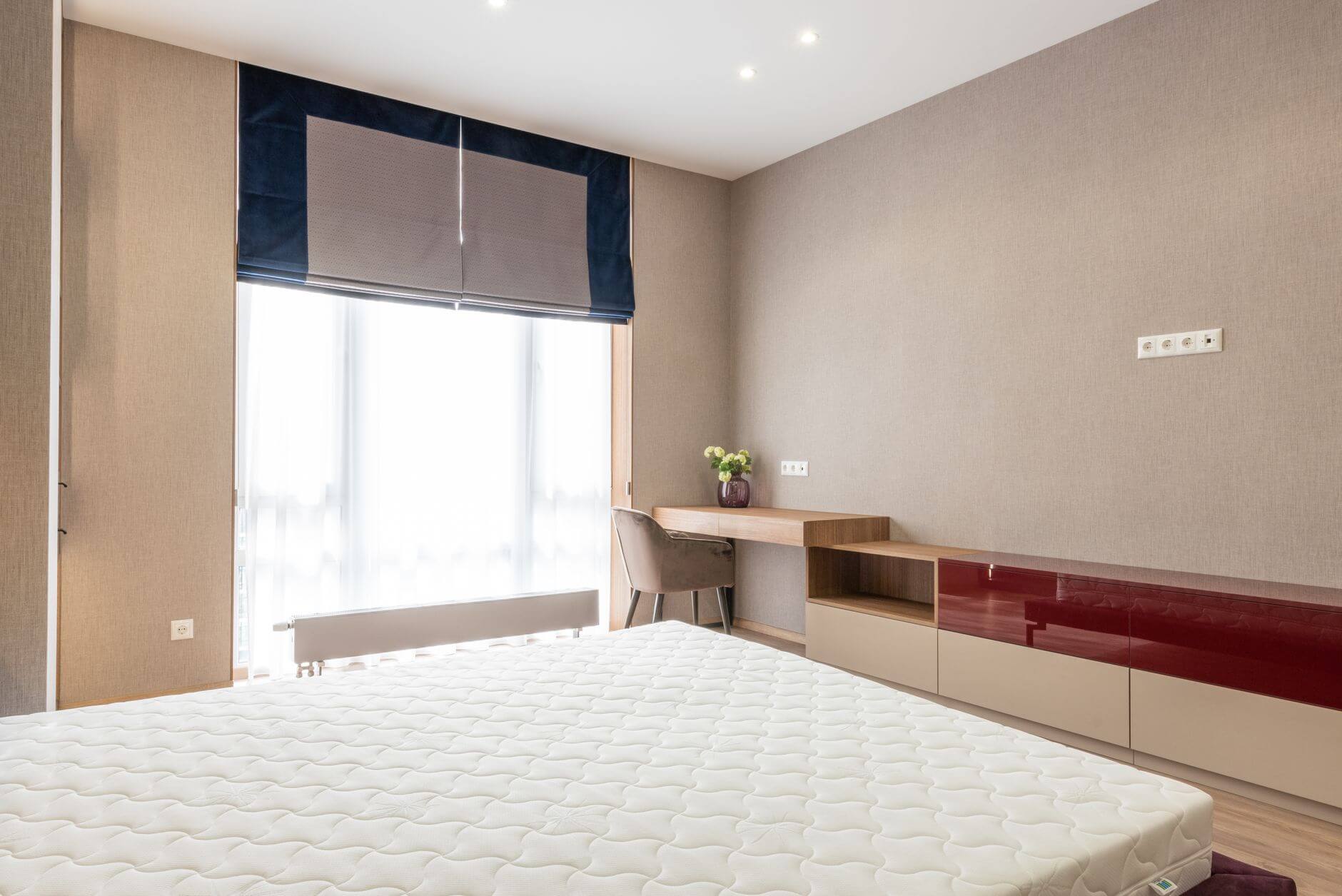
Start with the actual layers. Cotton, wool, latex, springs, foam, glue, cover fabric. Boring list. Useful list. If the page talks for ages about comfort but barely says what the mattress is made from, that gap matters.
Lifespan matters too. A mattress that sags early creates waste, even if the label sounded responsible on day one. Cheap at checkout can become expensive later. Especially when the middle dips and nobody sleeps properly.
Then there is the old one. It still has to leave the house somehow. People remember this part late, usually when the mattress is leaning near the stairs and everyone has started walking around it like furniture.
You may also like: Healthy Sleep Habits for a Sustainable Lifestyle
Which Materials Are Worth Asking About
Natural materials sound reassuring, but the source still matters. Cotton, wool and latex can be good choices when the supplier gives clear details. Recycled steel springs can also make sense because steel recycling is usually easier to trace than foam layers glued into one stubborn block.
Foam needs a closer look. Some sleepers prefer it, and comfort still counts. The question is what type of foam it is, what testing sits behind it and how awkward the mattress will be to deal with later. Soft tonight. Complicated later. Both can be true.
Wool often appears in mattresses for comfort and temperature. Cotton covers feel familiar and breathable. Latex has a springier feel, less sink. Useful materials, yes. Proof of sustainability? Not by themselves.
The cover is worth a quick look too. People focus on the core and forget the fabric under the sheet every night. A well made cover helps the mattress cope with pets, heat, spills and children climbing in with crumbs. Happens more than anyone admits.
Where Local Shopping Helps
A mattress with sustainability claims needs more than a clean product page. At a bed shop near me, you can read the label, feel the cover, ask what sits inside the mattress and check whether delivery or old mattress removal is available.
A webpage can look tidy. A mattress in front of you is less polished. You notice the depth. The edge. The stitching. The cover. You notice when the product details sound vague too.
Buying locally can remove some guesswork. The mattress still has to suit the room, the sleeper and the budget. The most eco sounding option fails if nobody sleeps well on it and it gets replaced too soon.
Which Certifications Cut Through the Noise
Certifications are not perfect. They help, though, especially when environmental claims start sounding too polished and the label gives you more mood than proof.
GOTS applies to organic textiles. If a mattress mentions organic cotton or wool, this is one label worth checking. GOLS applies to organic latex. OEKO-TEX Standard 100 is different. It checks textiles for certain harmful substances. It does not prove the whole mattress is organic.
CertiPUR is different again. It relates to polyurethane foam and looks at content, emissions and durability within that scheme. It does not make foam natural. It gives shoppers a clearer standard to ask about.
Some mattress stores near me pages list badges without explaining them properly. That is where the exact name matters. Not “certified materials” with no detail. Exact label. Real wording. Something you can check without guessing.
Organic, tested for harmful substances and lower emission are separate claims. A mattress may carry one and not another. Slightly tedious. Still worth knowing before money changes hands.
Why Longevity Is Part of Sustainability
Product lifespan matters here. A mattress that stays comfortable for longer usually creates less waste than one that fails early. Obvious, yes. Easy to forget when the materials list starts sounding impressive.
Look at the edges, stitching, spring quality, cover fabric and how the mattress handles weight. These details decide whether it still feels good after years of use. If the sides slump or the middle dips quickly, the green story gets weaker fast.
Care instructions matter too. Some mattresses need turning. Some need rotating. Some need both. Be honest before buying. If that routine will never happen in your house, the mattress may age faster than expected.
The better choice is not always the most expensive one. It is the one that fits how the bed will be used on an ordinary week. Hot sleeper. Guest room. Child’s room. Pet on the bed even though everyone said no. Real life changes the answer.
What Happens to the Old Mattress
This is the least glamorous part of mattress shopping. Still worth sorting before delivery day.
Ask early. Will the old mattress be collected? Does it go to a recycling route? Does the council offer bulky waste collection? Is there a charge? Nobody wants to solve this at 8 pm with a double mattress stuck near the stairs.
Some bed stores near me mention removal clearly. Others leave it buried in delivery details. Check before you buy. Boring admin, but much better than stepping around a spare mattress for two weeks.
Mattresses are awkward because they are bulky and layered. Springs, fabric, foam and padding need separating before much useful recycling happens. Some schemes handle that better than others.
A longer lasting mattress plus a sensible disposal route says more than a vague green claim on its own.
How to Choose Without Chasing Perfection
A more sustainable mattress does not need to tick every possible box. That is where people get stuck, then buy too fast because the labels have become exhausting.
Start with four questions. What is inside it? Is anything certified? How long should it stay comfortable? What happens to the old one? Enough. Begin there.
Then bring comfort back into the room. A mattress still has to support sleep. If it feels wrong, the label will not save it. Nobody keeps a mattress for years because the certification looked nice.
The better choice usually sits somewhere practical. Clear materials. Honest labels. Good comfort. A sensible lifespan. A disposal plan that does not end with the old mattress abandoned in a corner.
A more sustainable mattress choice does not need to be perfect. It needs clear materials, honest labels, decent comfort and a plan for the old one. Keep it for longer, care for it properly and sort the disposal before delivery day. That usually says more than the greenest phrase on the product page.

About Georgina Caro
Georgina is a sustainability expert, content creator, and founder behind Gypsy Soul. Committed to simplifying eco living, Georgina holds a PgCert in Architecture: Advanced Environmental & Energy Studies. With a wealth of knowledge, she also boasts 13 years of hands-on experience in the sustainability content creation sector, adding depth and expertise to her mission of promoting a greener and more conscious lifestyle. Additionally, Georgina holds a diploma in Vegetarian and Vegan Nutrition, further underlining her commitment to holistic and eco-conscious living.