Skip to content

A Guide to Foods to Forage in March in the UK

foraging-in-march

This post may contain affiliate links. Please read my terms & conditions for more info.
March marks the transition from winter to spring in the UK, and with the changing season comes a wealth of wild edibles waiting to be discovered. Foraging in March offers a unique opportunity to connect with nature and harvest fresh, nutritious foods. From vibrant greens to early blossoms, the UK countryside becomes a forager’s paradise. In this guide, we’ll explore some of the delightful foods to forage in March. 

You may also like: 10 Foods to Forage in February  

Wild Garlic (Allium ursinum)

wild-garlic

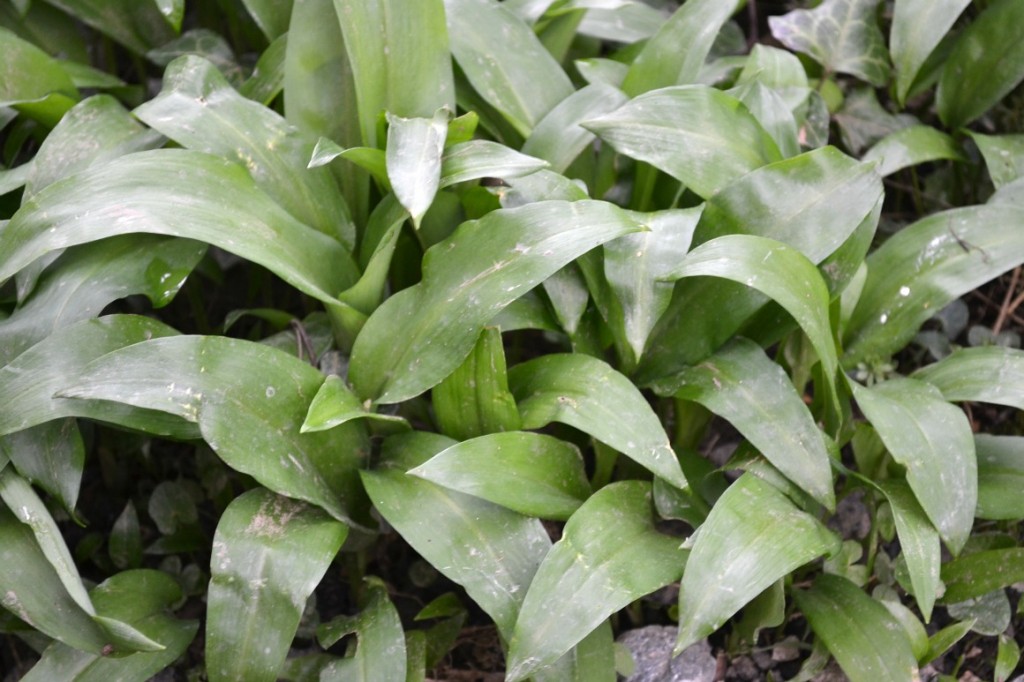
One of the early stars of spring foraging is wild garlic, also known as ramps or bear’s garlic. Recognisable by its distinctive garlicky aroma, this versatile herb can be found in woodlands and along riverbanks. The young leaves are tender and ideal for salads, soups, or pesto. Remember to pick responsibly, taking only what you need and leaving enough to ensure the plant’s sustainability.

Check out my Wild Garlic Pesto Recipe 

Health benefits of wild garlic: Garlic is renowned for its extensive range of properties, including antibacterial, antibiotic, and potentially antiviral attributes. Rich in vitamins A and C, as well as essential minerals such as calcium, iron, phosphorus, sodium, and copper, garlic has demonstrated its potential to contribute to overall health. Research suggests that garlic may play a role in lowering blood pressure. 

Nettles (Urtica dioica)

wild foraging for nettles
Photo by Paul Morley on Unsplash

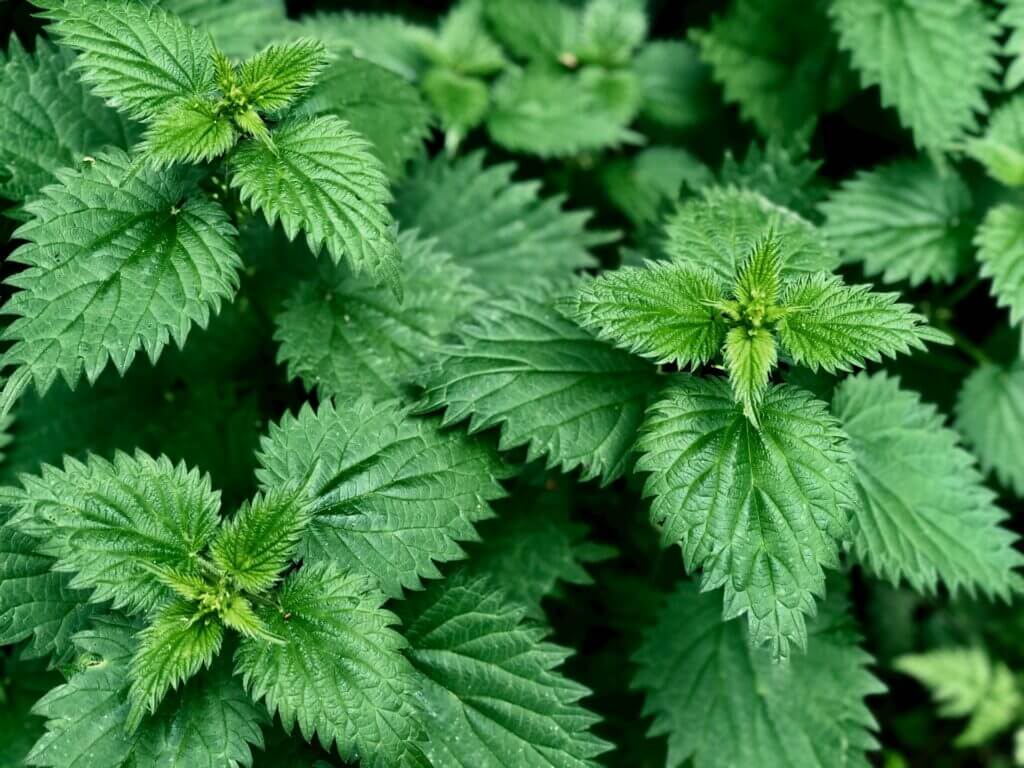
Despite their stinging reputation, nettles are nutritional powerhouses. Rich in vitamins and minerals, nettles can be harvested in March while the plants are still young and tender. Wear gloves to avoid stings and use the fresh leaves in soups, teas, or as a substitute for spinach in various dishes. Cooking or drying the leaves neutralizes the stinging hairs.

Health benefits of nettle: Nettle leaf is a potent antioxidant source, primarily due to its high vitamin C content, combating harmful free radicals in the body. Beyond its antioxidant properties, nettle offers diverse health benefits, including alleviating joint pain and inflammation, regulating blood sugar levels, and aiding in managing seasonal allergies and respiratory conditions. Noteworthy is its potential in addressing symptoms of specific prostate conditions.

Moreover, nettle leaf, rich in calcium and essential minerals, reduces the risk of kidney disease and osteoporosis. Its vitamin-rich profile, featuring immune-boosting vitamin C and eye health-promoting vitamin A, enhances overall well-being

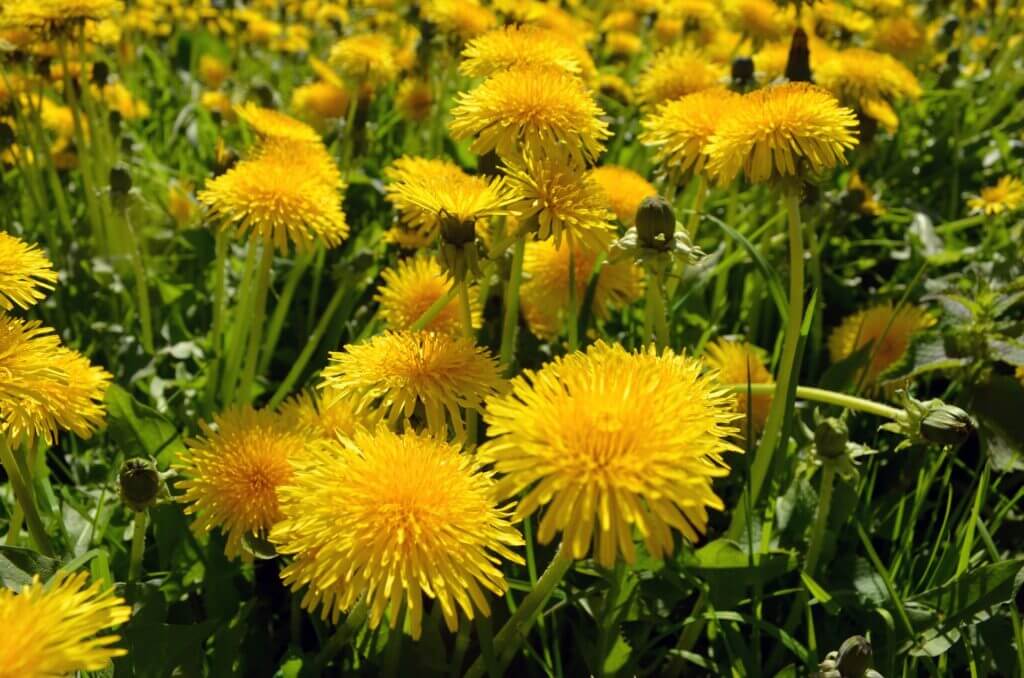
Dandelion (Taraxacum officinale)

Foraging for dandelions
Photo by Viridi Green on Unsplash

Dandelions are more than just pesky lawn invaders; they are also nutritious and versatile wild edibles. The young leaves can be added to salads, while the flowers can be used to make dandelion wine or fritters. Additionally, the roots can be roasted and used as a coffee substitute. Forage dandelions in areas free from pesticides and chemicals.

Health benefits of dandelions: Dandelion leaves, acting as a diuretic, boost urine production and aid digestion. The flower’s antioxidant properties may enhance the immune system. Herbalists use dandelion root for liver and gallbladder detoxification, while the leaves support kidney function and serve as mild appetite stimulants. Dandelion root’s potential as a laxative aids digestion, and preliminary research hints at positive effects on liver and gallbladder function, though with limitations.

Animal studies suggest dandelion’s potential benefits for blood sugar levels and cholesterol in diabetic mice, yet not all studies show consistent results. Further research is needed to determine dandelion’s efficacy in humans.

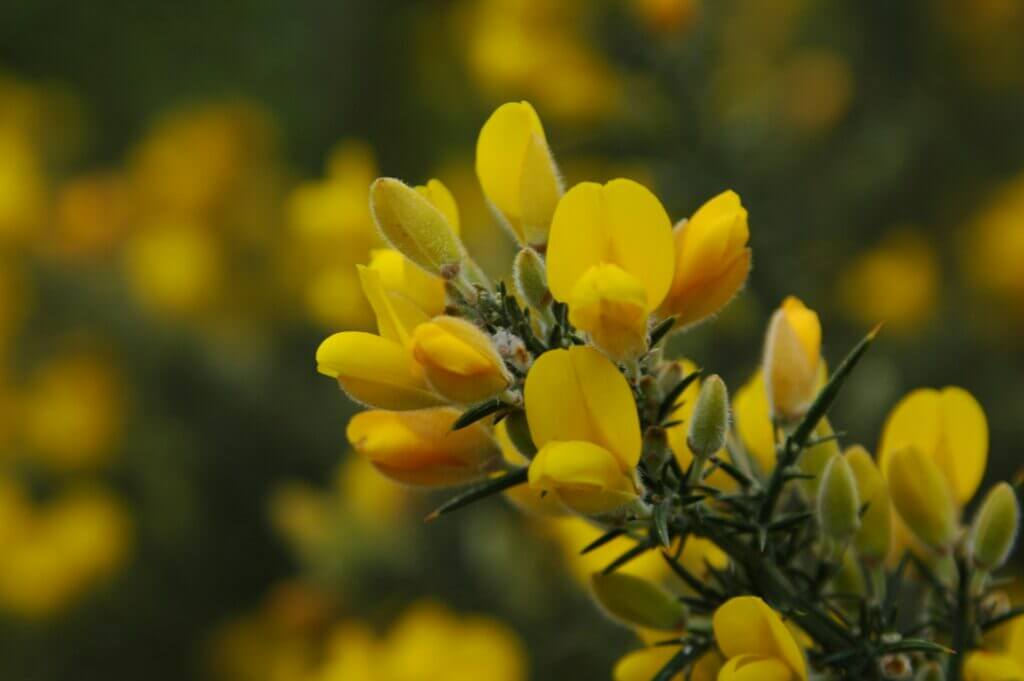
Gorse Flowers (Ulex europaeus)

Photo by Ulrike R. Donohue on Unsplash

March sees the bright yellow blossoms of gorse bushes dotting the landscape. These vibrant flowers have a coconut-like flavor and can be used to infuse syrups, jams, or even brewed into a fragrant tea. Exercise caution when foraging gorse flowers, as the thorny bushes can be challenging to navigate. Choose the youngest flowers for the best taste.

Health benefits of gorse flowers: Gorse’s nutritional value remains relatively undocumented. Gorse has historical applications in Irish folk medicine, where it was employed to address various ailments, including coughs, colds, sore throats, tuberculosis, asthma, heartburn, hiccups, jaundice, heart problems, dermatitis, ringworm, swellings, and served as a general tonic.

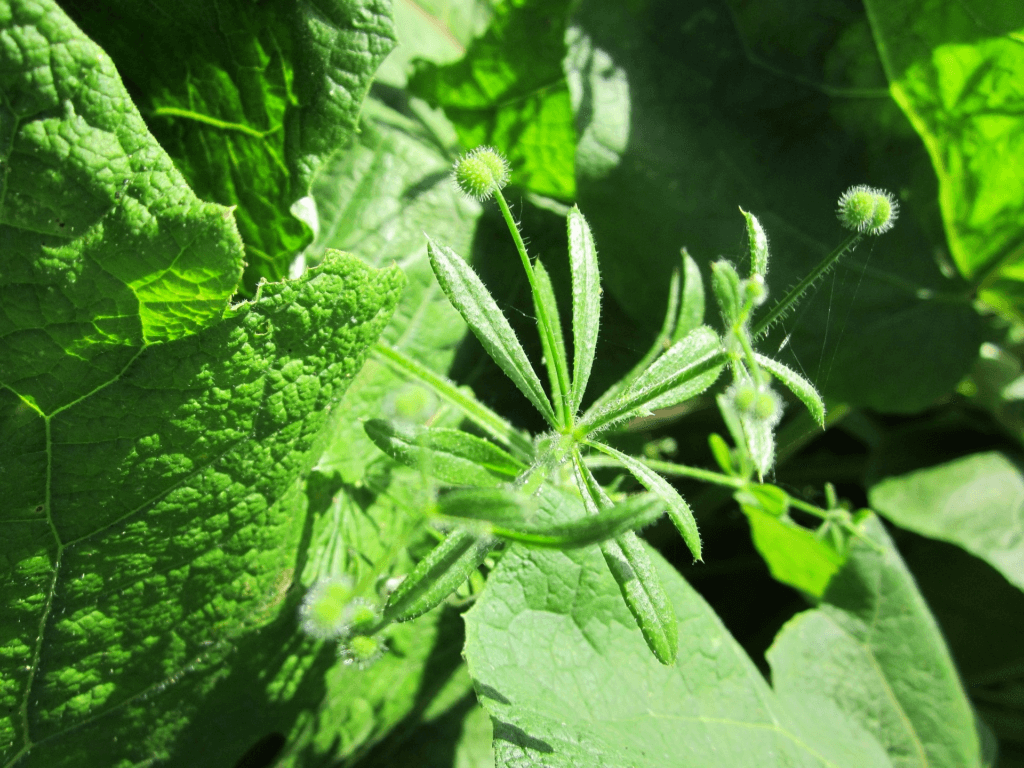
Cleavers (Galium aparine)

foods to forage in March

Cleavers, also known as stickyweed or goosegrass, thrive in the early spring. Recognisable by their sticky, clinging nature, the leaves and stems of cleavers are edible and can be added to salads or used in herbal teas. Harvest them when they are young and tender for the best flavor. Cleavers are often found in hedgerows, woodlands, and along paths. Roasting stickyweed seeds offers a coffee substitute.

Health benefits of cleavers:  Renowned for its medicinal properties, stickyweed has a history in traditional medicine, often used as an infusion to address various conditions, including kidney problems, skin disorders, high blood pressure, and other ailments.

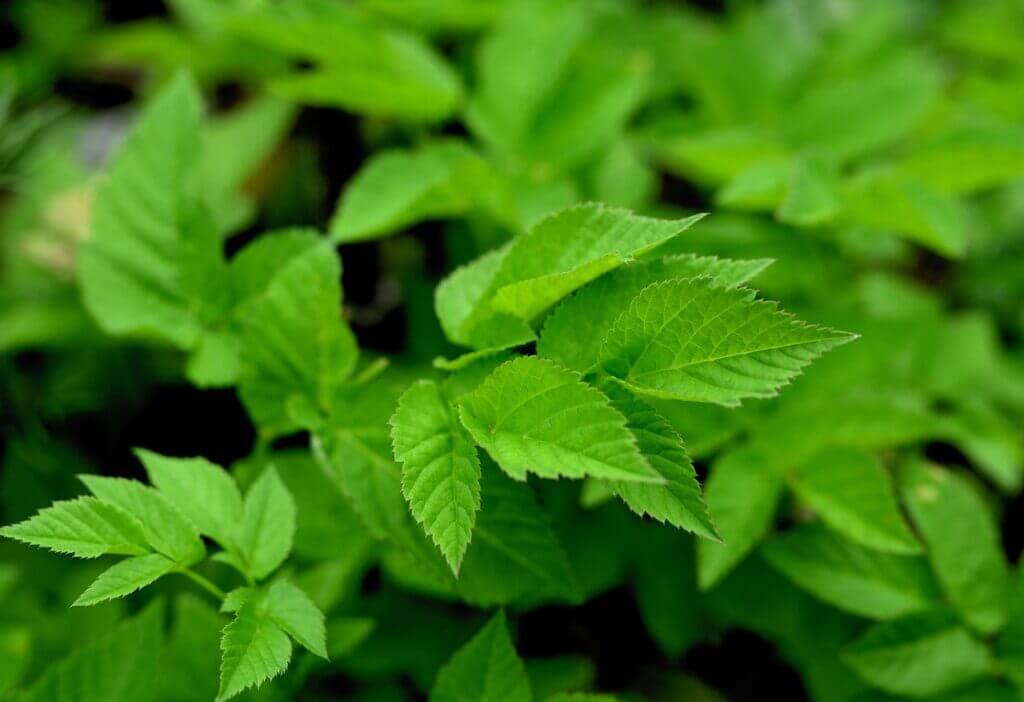
Ground Elder (Aegopodium podagraria)

foods to forage in march

Commonly considered a garden weed, ground elder has a mild, parsley-like flavor. The young leaves are best foraged in March before they become too mature and bitter. Use ground elder in salads, soups, or as a seasoning for various dishes. Take care to forage in areas free from pollution and avoid harvesting near roadsides.

Health benefits of ground elder: In herbal medicine, ground elder has a historical application as a remedy for gout and has been utilized to address conditions such as rheumatism, arthritis, bladder issues, and digestive disorders. Its versatility extends to making poultices for treating burns and stings. Best harvested in spring, the young leaves are rich in vitamin C, making them ideal for use in salads and soups. Additionally, ground elder contains vitamin C, provitamin A, and essential minerals like calcium, magnesium, and potassium.

Hawthorn Blossoms (Crataegus monogyna)

foods to forage in march hawthorn
Image by Kev from Pixabay

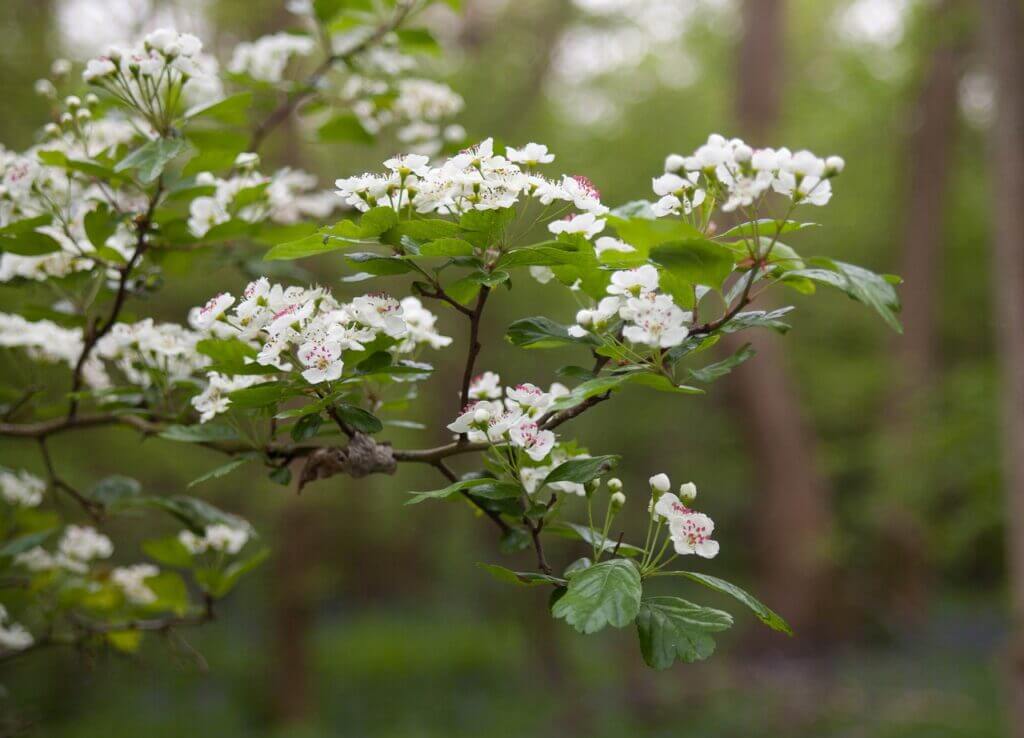
As spring unfolds, hawthorn trees burst into bloom with clusters of fragrant white flowers. These blossoms are not only a visual delight but also edible. Harvest the flowers and use them to infuse syrups, jellies, or cordials. Be sure to leave enough blossoms for pollinators and to allow the tree to produce berries later in the season.

Health benefits of hawthorn blossoms: Hawthorn encompasses various compounds beneficial for heart health. The antioxidant flavonoids, including OPCs, present in hawthorn, may aid in dilating blood vessels, enhancing blood flow, and shielding vessels from damage. Medicinally, the berries, leaves, and flowers of the hawthorn plant have been used. Notably, hawthorn berry, with its rich antioxidant content, may contribute to lowering blood pressure and cholesterol, reducing inflammation, and promoting improved skin health.

Chickweed (Stellaria media)

Image by Ralf Ruppert from Pixabay

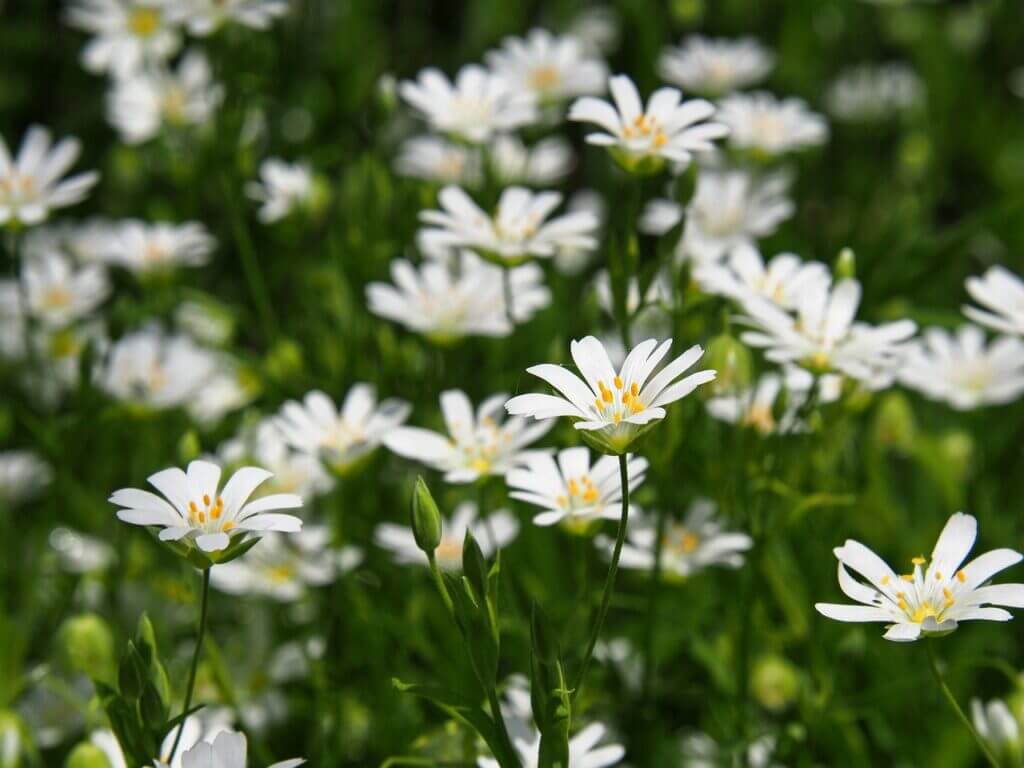
Chickweed is a delicate, low-growing plant with tender leaves that are perfect for salads. Rich in vitamins and minerals, chickweed is a nutritious addition to your foraging basket. Look for it in gardens, fields, and disturbed soil. Enjoy the fresh, mild flavor of chickweed in salads or as a garnish for various dishes.

Health benefits of chickweed: In homeopathy, this plant serves to alleviate rheumatic pains and address psoriasis. Chickweed is recognised as a traditional folk remedy for a diverse range of conditions, such as asthma,  conjunctivitis, constipation, blood disorders, inflammation, dyspepsia, obesity, and skin ailments. 

March in the UK offers an exciting array of wild foods for those eager to explore the world of foraging. From the pungent aroma of wild garlic to the delicate blossoms of hawthorn, nature provides a bounty of flavours and nutrients. Remember to forage responsibly, respecting nature’s balance and leaving enough for future growth. So, lace up your walking shoes, grab a basket, and embark on a foraging adventure to discover the culinary treasures that March brings to the British countryside.

Photo by Glen Carrie on Unsplash

Georgina is a sustainability expert, content creator, and founder behind Gypsy Soul. Committed to simplifying eco living, Georgina holds a PgCert in Architecture: Advanced Environmental & Energy Studies. With a wealth of knowledge, she also boasts 13 years of hands-on experience in the sustainability content creation sector, adding depth and expertise to her mission of promoting a greener and more conscious lifestyle. Additionally, Georgina holds a diploma in Vegetarian and Vegan Nutrition, further underlining her commitment to holistic and eco-conscious living.

I'd love to know what you think...

This site uses Akismet to reduce spam. Learn how your comment data is processed.