This post may contain affiliate links. Please read my terms & conditions for more info.
As technology advances every day, our environment faces challenges from the ever rising electronic or e-waste. The global electronic waste market crossed 55 million metric tons in 2021 and a report states that just 17% of this waste is recycled properly. Broken or discarded electronics like phones, TVs, printers, etc. have materials that harm the environment.
Individuals and businesses globally should cooperate in sharing, repairing, reusing, and refurbishing electronics to save resources and promote a circular economy. In the following post, I’ll discuss e-waste recycling and managing it in a sustainable, eco-friendly manner.
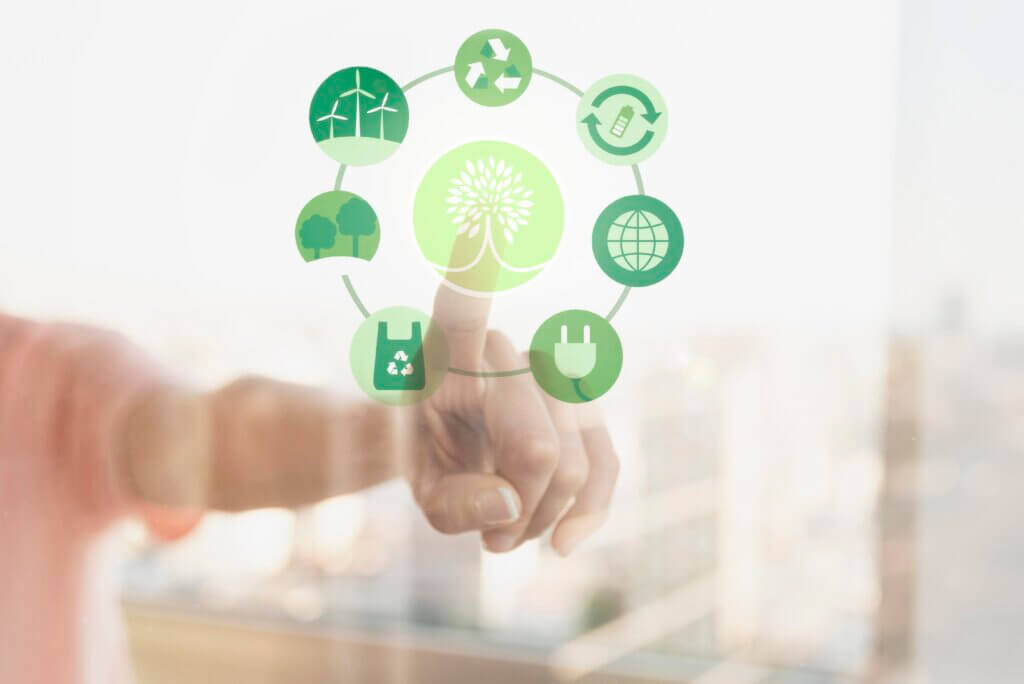
Understanding the Circular Economy
In a circular economy, natural resources never go to waste and people reuse and recycle them into something useful. People reuse, compost, refurbish, recycle, repair, and maintain different products and materials to keep them in use.
A circular economy fights challenges like waste generation, pollution, loss of biodiversity, and economic failure. It works on the following three principles –
- Eliminate pollution and excess waste generation
- Circulate materials and products when they are at a high value
- Make sure to protect and regenerate nature and its resources
3 Pillars of Managing Electronic Waste Sustainably
On an average, each person generates around 7 Kg of waste every year and it will double by 2050 if proper action is not taken. In context of sustainable management of electronic waste, keep the following pillars in mind:
- Reduce
Minimizing the generation of e-waste is an effective way and should be a priority among people. Waste will decrease if we all follow the mentality ‘buy less and use longer.’ We should consider updating our devices and getting them repaired to increase their lifespan.
If we keep purchasing new gadgets after a short time, it will increase the amount of waste generated.
- Reuse
Another wise, sustainable approach is to reuse our electronic gadgets. We must use our devices for as long as possible, and instead of throwing them away, we can pass them forward to friends and family.
Manufacturers should promote the use of refurbished laptops and electronics so that people don’t just purchase new products every time. Also, you can consider donating old electronics to organizations and communities in need. This reduces electronic waste and keeps it in control.
- Recycle
Around 85% of electronic waste is burned in incinerators and landfills releasing harmful toxins in our environment. This is wrong and we should prioritize recycling waste to reduce harmful impact and to recover valuable stuff from this waste. You can partner with certified and professional electronic waste recyclers to ensure responsible and safe management. They follow all environmental and security standards. Also, they recover useful parts which help repair and refurbish old devices.

The Role of Sustainable Living
As we already know now, electronic waste has many harmful materials that affect both the human body as well as our environment. Sustainable living plays a major role if we want to protect our nature and handle this waste in the correct, responsible manner.
Sustainability pushes people to reuse and recycle e-waste products so that the harmful effect is minimal. With proper education, collaboration, and technology, we can reduce harmful emissions and save natural resources.
Tips to Recycle & Manage E-Waste Effectively
To save the future of our planet and maintain a circular economy, we need to manage and recycle electronic waste responsibly. This helps protect natural resources, prevent pollution, reduce the carbon footprint,and reduce the generation of such waste. Consider the following tips –
Learn About the Impact of Electronic Waste
Mercury, lead, cadmium, etc. are some harmful substances in electronic waste that affect the soil, air, water, and human body.
Further, they can even affect our human body and other parts of the ecosystem. Sustainable management and recycling ensures proper disposal of electronics saving our health as well as wildlife.
Recycling Old Computers & Smartphones
We need to recycle and repair our phones and computers to increase their life. Also, we must use refurbished laptops and desktops instead of purchasing brand new ones regularly.
Proper recycling ensures that plastic and other valuable materials can be extracted from discarded electronics.

Cooperation Between Government & Manufacturers
Manufacturers and governments must cooperate to launch programs and policies for sustainable management of electronic waste. Brands should be accountable for their products throughout their life-cycle, from production till their end. Also, electronics which are durable, easy-to-repair, and recyclable must be prioritized.
Tracking E-Waste With Innovative Technology
To trace and track electronic waste throughout its life cycle, you can use blockchain and other innovative technologies. This allows proper handling of waste and recycling it at every possible chance. Using eco-friendly extraction techniques and automatic sorting systems help recover resources and reduce the amount of waste generated.
Educating Public & Raising Awareness
Until people know about the harmful effects of electronic waste on themselves and the environment, they are not going to take action. People should be clear about the things that constitute e-waste and how they are supposed to dispose it off. Government should conduct workshops, waste collection centers, and recycling drives to spread information.
Technology is a huge part of our routine and we cannot stop using electronics. However, we can reduce, reuse, and recycle our devices to save our environment, reduce the carbon footprint and maintain a circular economy. We read about some tips on recycling and sustainable management of e-waste in the above post. It is our duty to follow them and contribute our part towards the safety of ourselves as well as our Mother Nature.