This post may contain affiliate links. Please read my terms & conditions for more info.
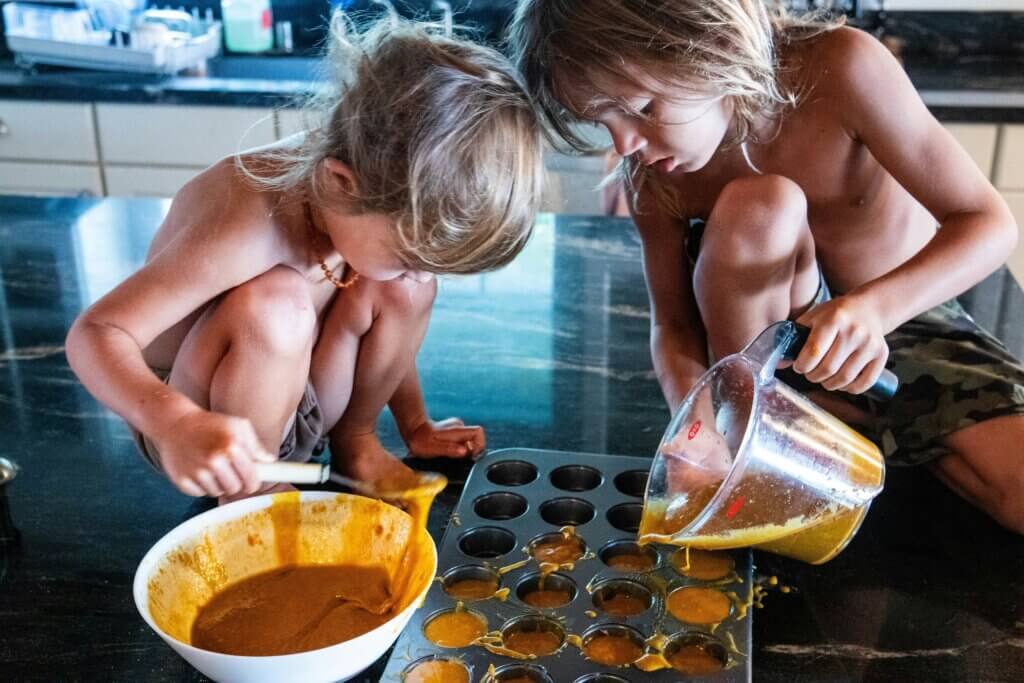
Cooking is one of the most important life skills we can teach our children. Not only does it help them make healthier choices, but it also plays a big role in reducing food waste and making more sustainable decisions in the kitchen.
When kids understand where food comes from, how much work goes into preparing it, and how to use ingredients wisely, they’re more likely to value what’s on their plate. And that’s a habit that can last a lifetime.
The trick? Making it fun.
Photo by Derek Owens on Unsplash
Start with Play
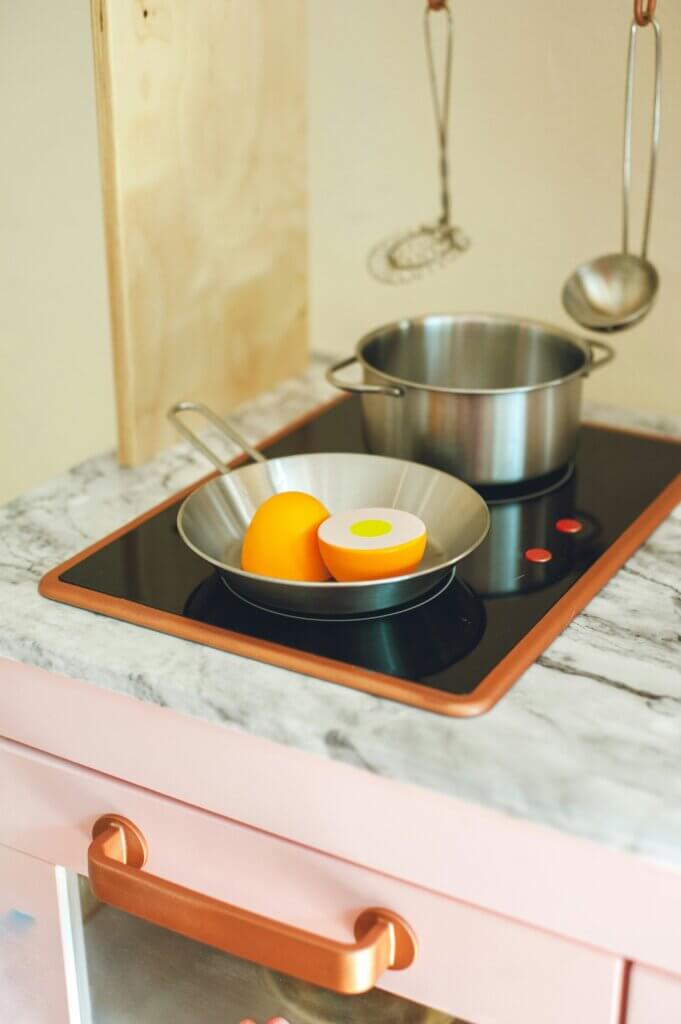
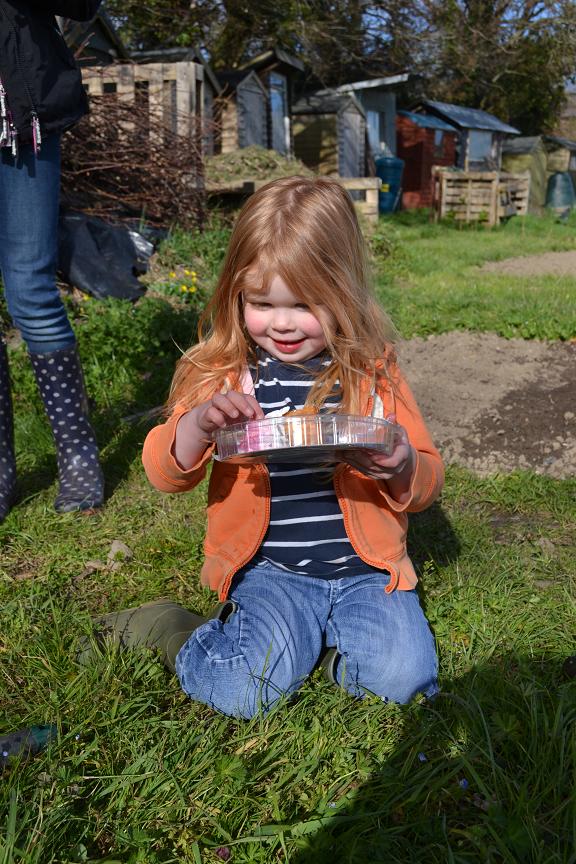
Before handing over the kitchen knives, it’s worth giving children a safe way to explore the ideas behind cooking. When my two were little they loved toy cooking sets, we had an entire play kitchen, complete with pots and pans, and fake food. I also took them foraging once a week. Later we would make something with the foods we found. Our favourite recipes were stewed apples and blackberries with custard, and wild garlic pesto.
Photo by Harry Grout on Unsplash
Another useful tool for teaching children about cooking are online food-themed games. After trying a few of the games myself, here are my top tips for relating them back to real life:
Playing a café game? Talk about portion sizes and why cooking just enough is better than making too much.
Baking virtually? Discuss measuring ingredients accurately and why swapping one for another sometimes works, and sometimes doesn’t.
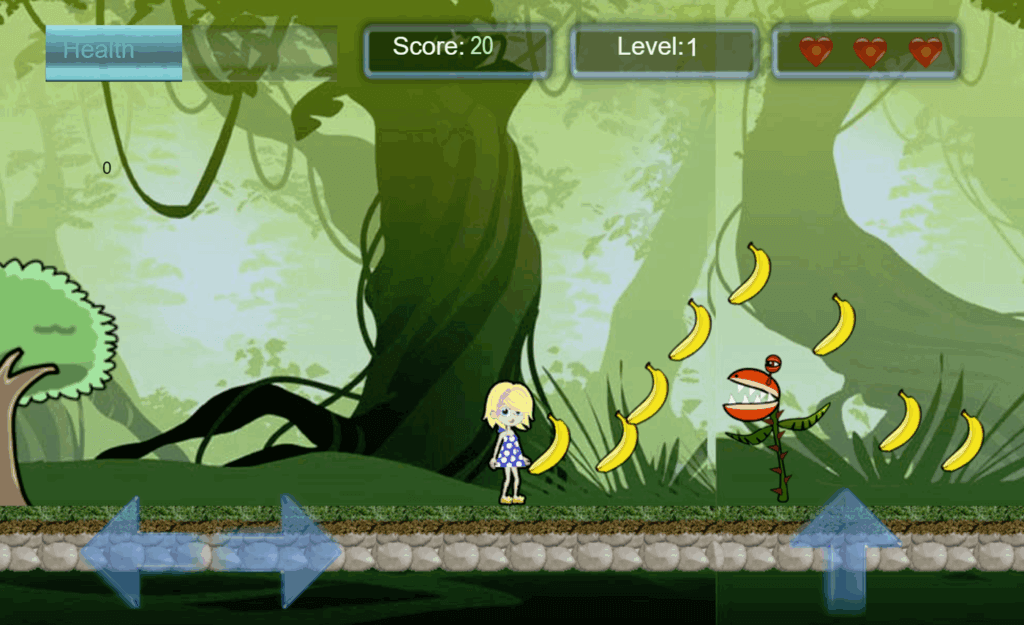
One of my favourites games is Tasty Kingdom. It’s a game aimed at younger children that promotes healthy eating, something I’m very passionate about. You guide a little character through different levels, collecting healthy foods like fruit and vegetables while avoiding junk food. Every so often a little tip about nutrition pops up. If you’re playing with younger kids you may have to help them read the tips. It’s playful, gentle, and introduces the idea that what we eat matters, something I’m always keen to reinforce at home. Plus, it’s a great conversation starter about why we sometimes say no to certain snacks or choose homemade meals instead.
I also enjoyed Twin the Bin, a simple recycling game where you sort different types of waste, organic, plastics, paper, or glass, as they move, and fall off a conveyor belt. It’s easy to play using just the arrow keys, but it’s surprisingly satisfying and a great way to reinforce the basics of recycling with kids.
Bring the Lessons into the Kitchen
Once their curiosity is sparked, bring the experience into the real kitchen. This could be as simple as:
Letting them measure ingredients for dinner.
Giving them the responsibility of planning one meal a week.
Encouraging them to use up what’s already in the fridge to make something new.
You can also use tools like this ingredient conversion calculator to adapt recipes, a great way to avoid buying more than you need, especially if you’re cooking for fewer people than a recipe serves.
The kitchen is where many of our daily environmental choices are made, from what we buy and cook to how we deal with waste. By giving children the skills and confidence to cook mindfully, we’re helping them form habits that can have a real impact on the planet.
And who knows? Those little hands making a mess of the flour today could be the same ones cooking delicious, waste-free meals for their own families in the future.
Georgina is a sustainability expert, content creator, and founder behind Gypsy Soul. Committed to simplifying eco living, Georgina holds a PgCert in Architecture: Advanced Environmental & Energy Studies. With a wealth of knowledge, she also boasts 13 years of hands-on experience in the sustainability content creation sector, adding depth and expertise to her mission of promoting a greener and more conscious lifestyle. Additionally, Georgina holds a diploma in Vegetarian and Vegan Nutrition, further underlining her commitment to holistic and eco-conscious living.
This website uses cookies to improve your experience. We'll assume you're ok with this, but you can opt-out if you wish.AcceptRead More
Privacy & Cookies Policy
Privacy Overview
This website uses cookies to improve your experience while you navigate through the website. Out of these, the cookies that are categorized as necessary are stored on your browser as they are essential for the working of basic functionalities of the website. We also use third-party cookies that help us analyze and understand how you use this website. These cookies will be stored in your browser only with your consent. You also have the option to opt-out of these cookies. But opting out of some of these cookies may affect your browsing experience.
Necessary cookies are absolutely essential for the website to function properly. This category only includes cookies that ensures basic functionalities and security features of the website. These cookies do not store any personal information.
Any cookies that may not be particularly necessary for the website to function and is used specifically to collect user personal data via analytics, ads, other embedded contents are termed as non-necessary cookies. It is mandatory to procure user consent prior to running these cookies on your website.